Images: Other Media: Creator Q & A with Producer James Tucker
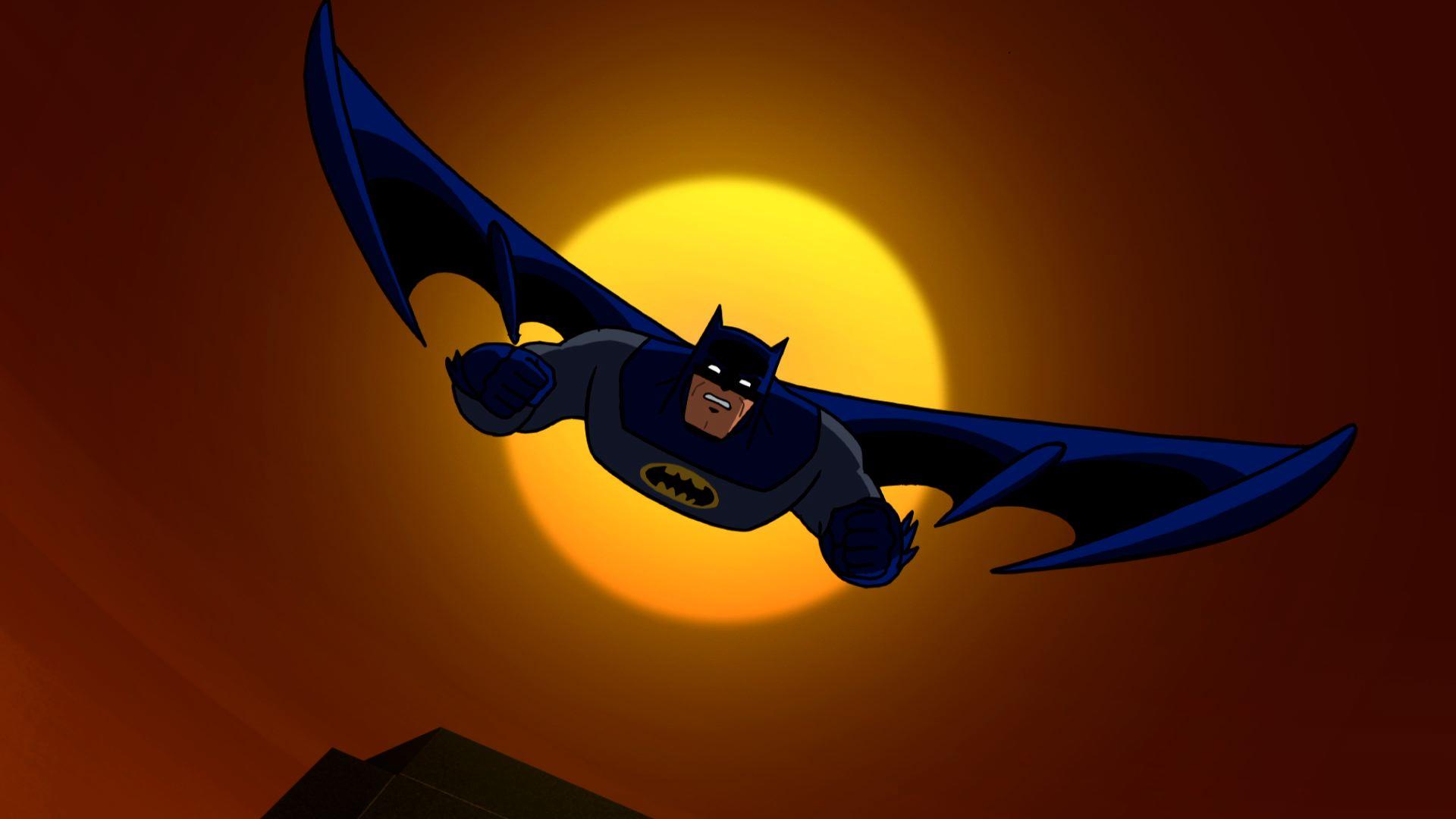
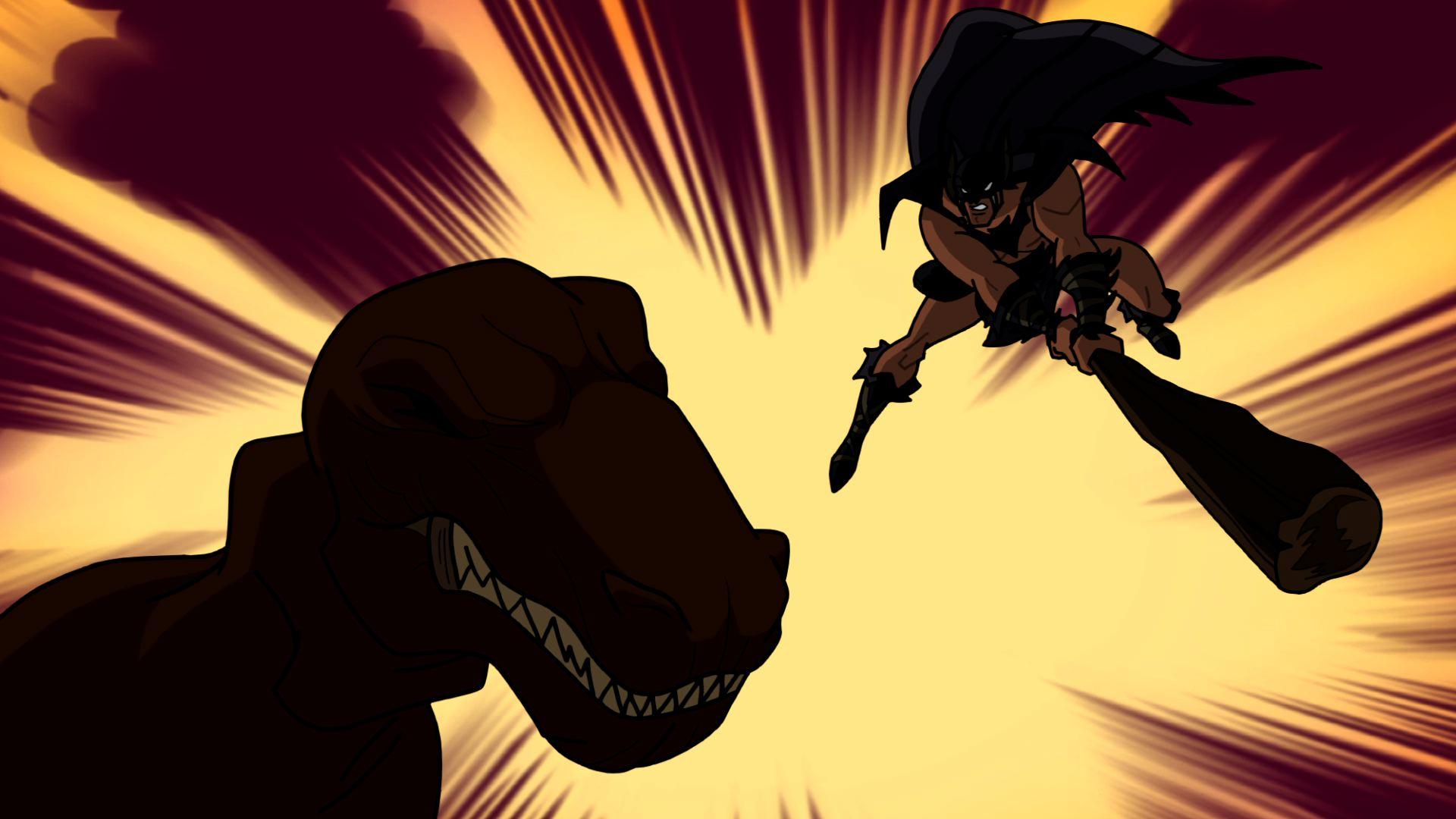
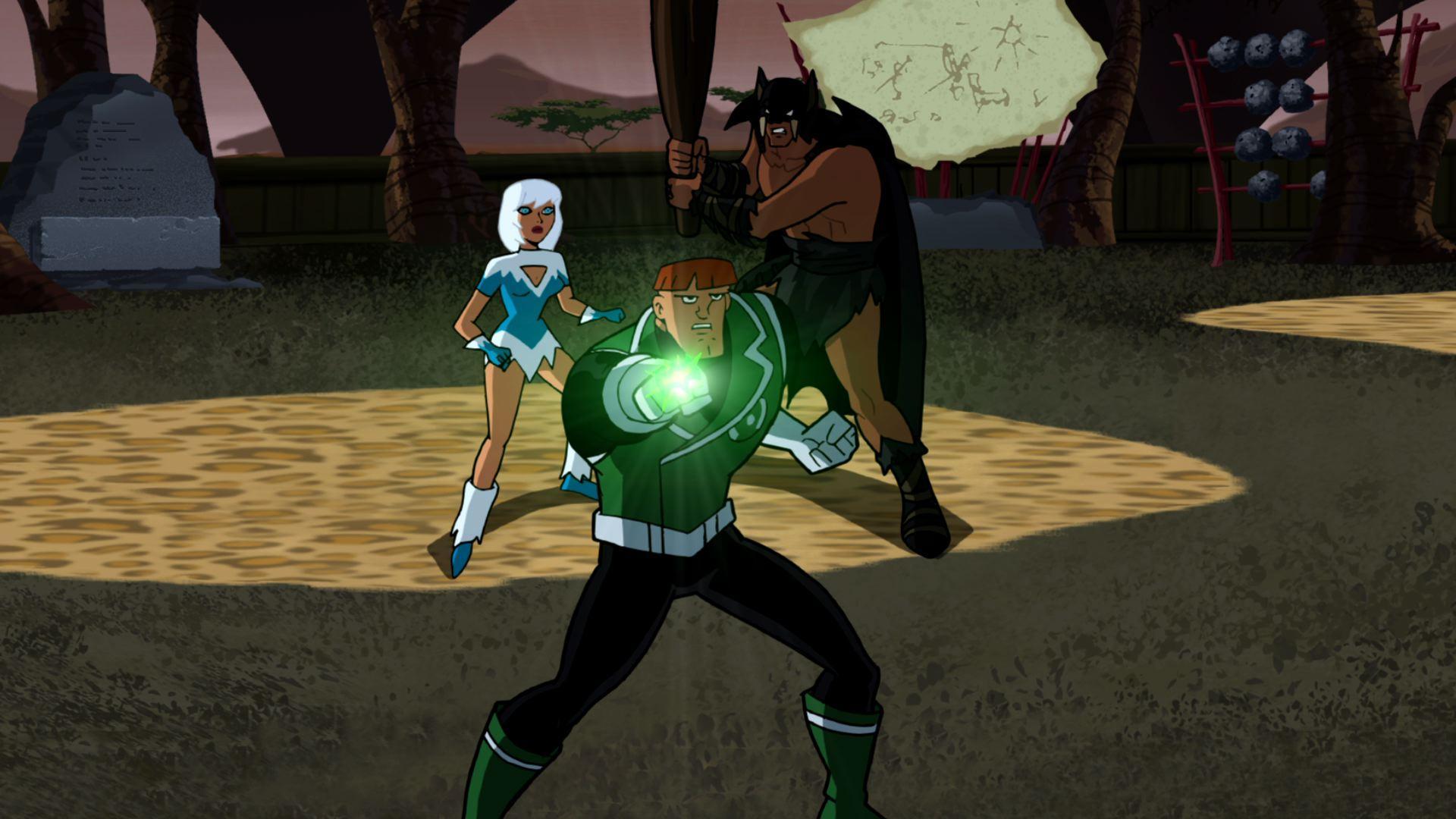
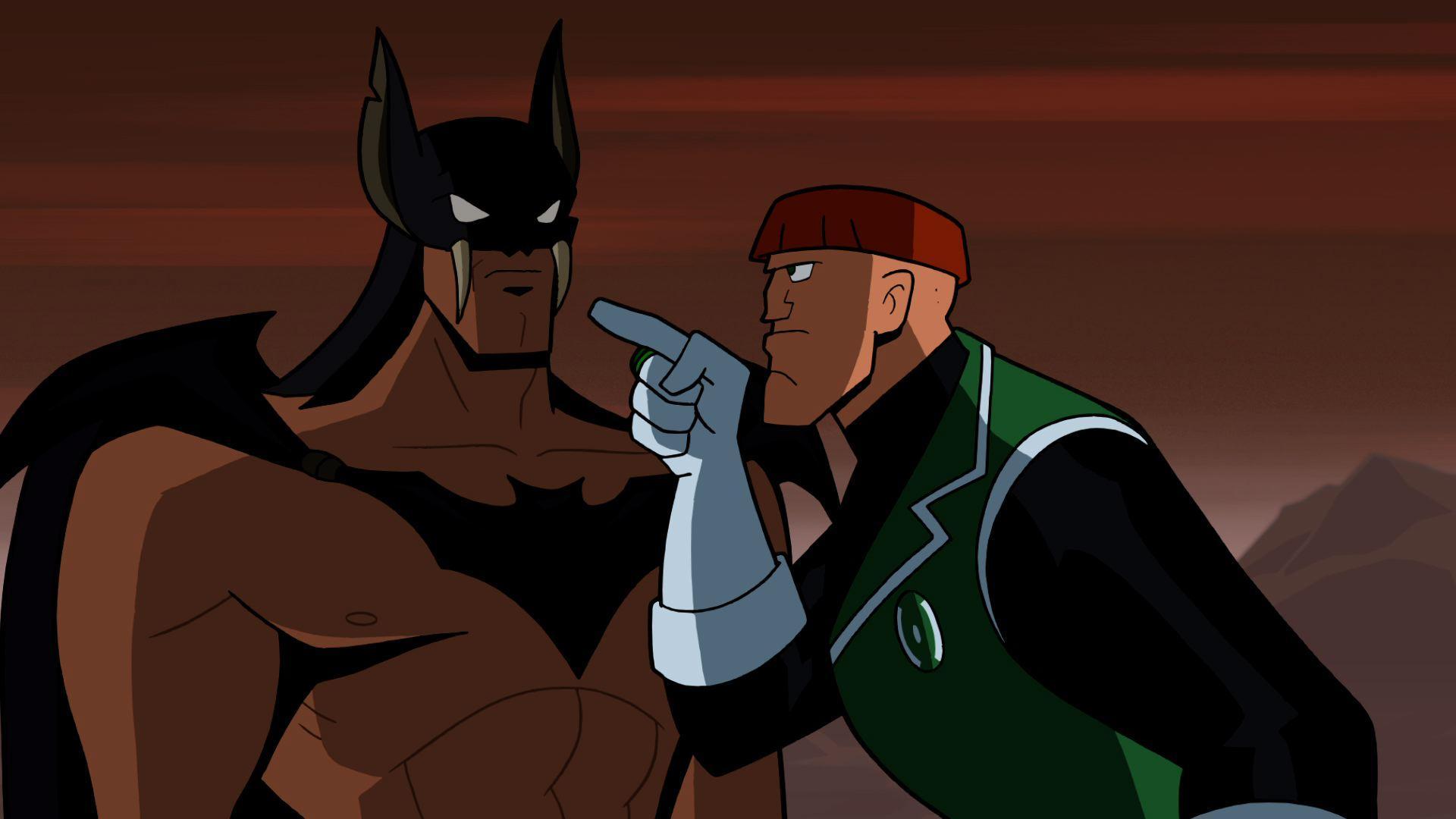
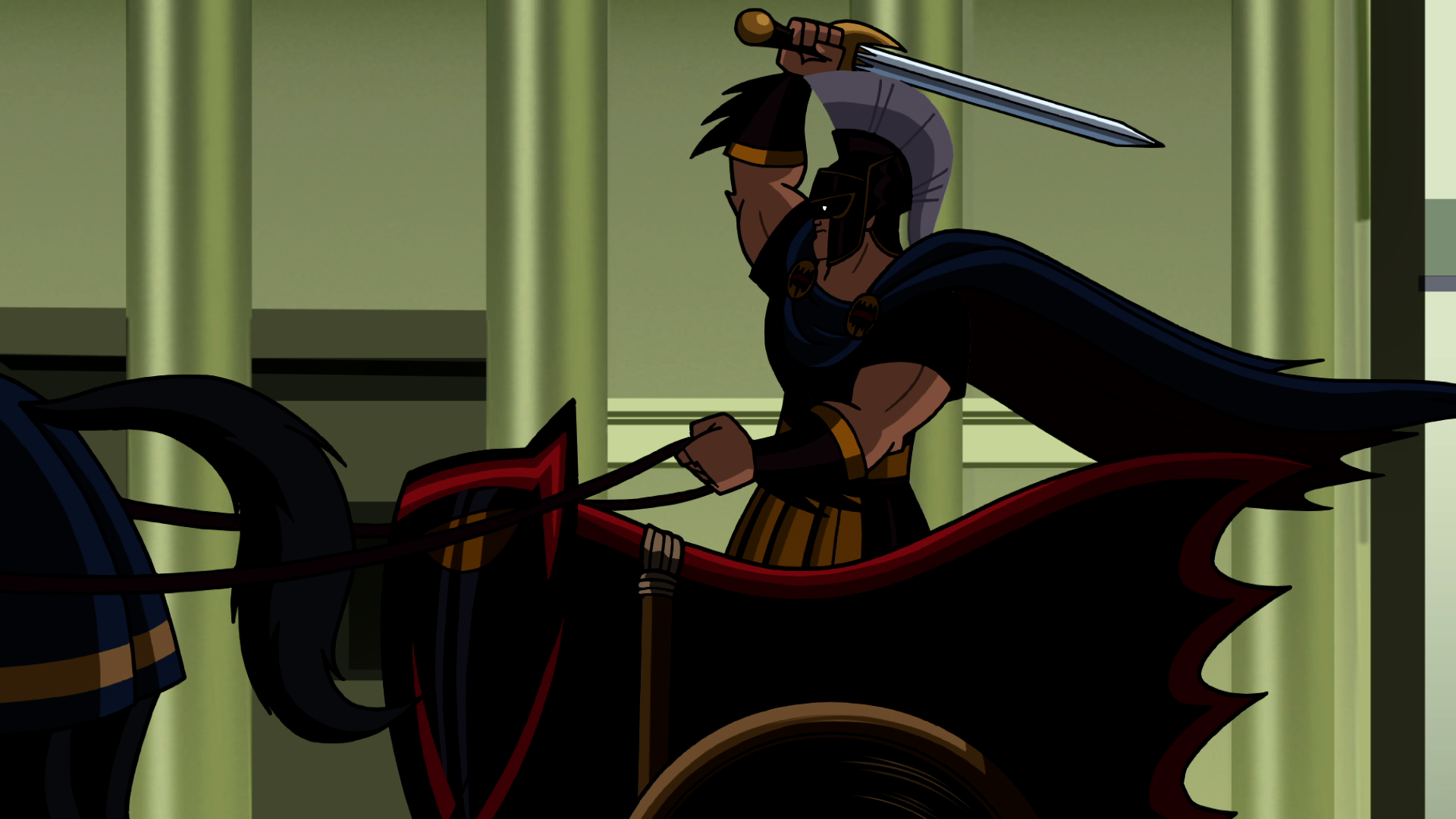
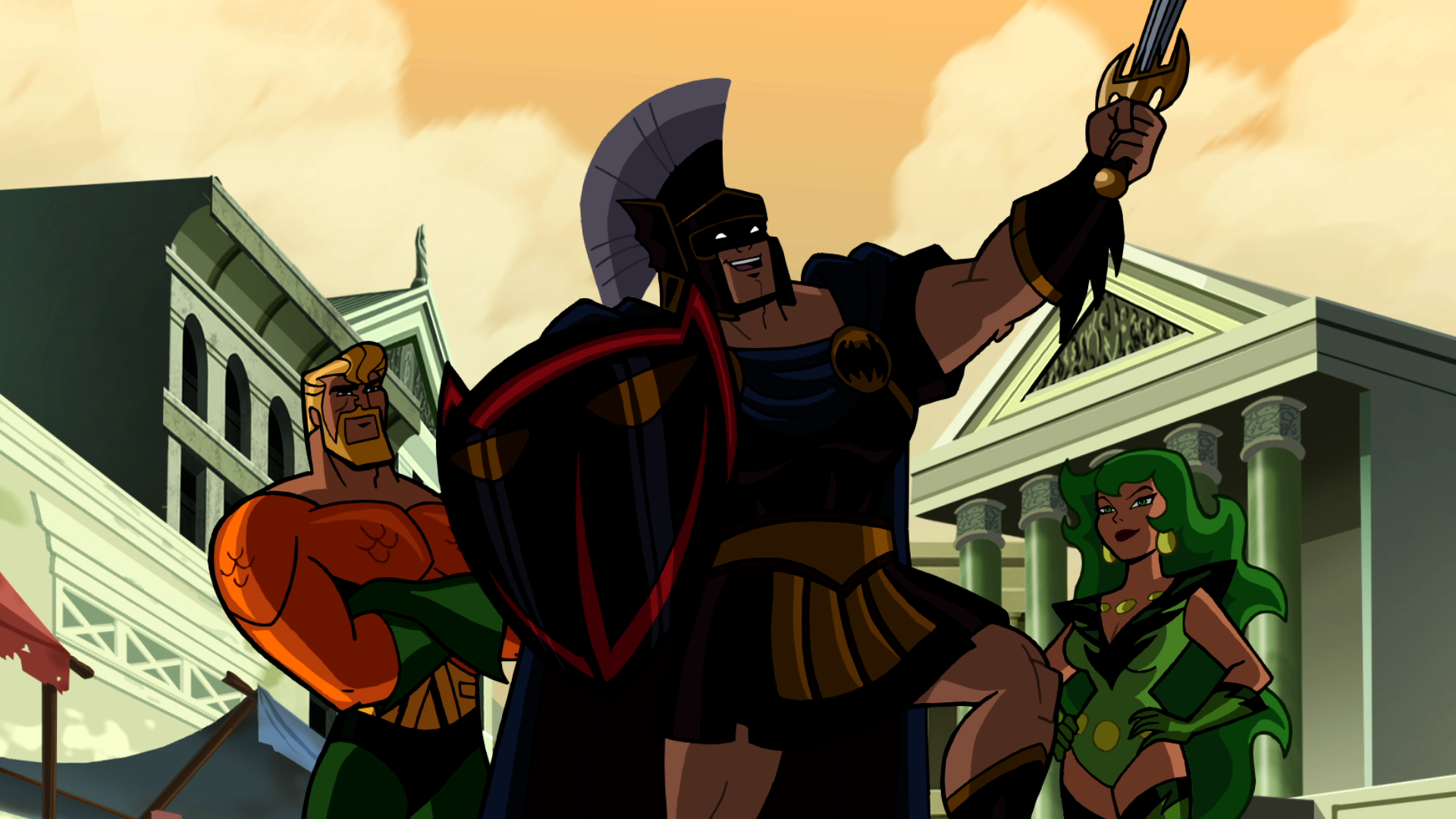
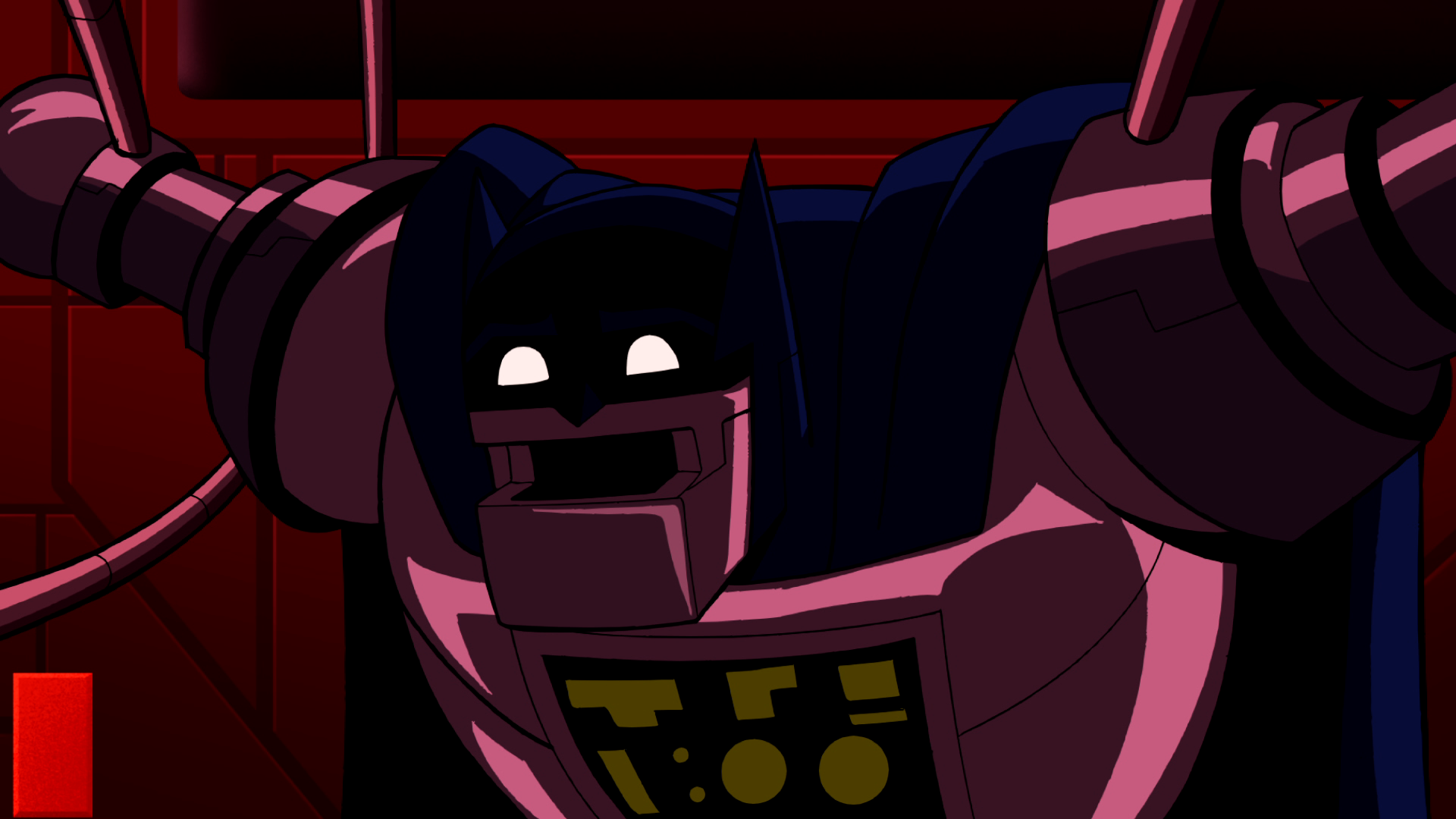
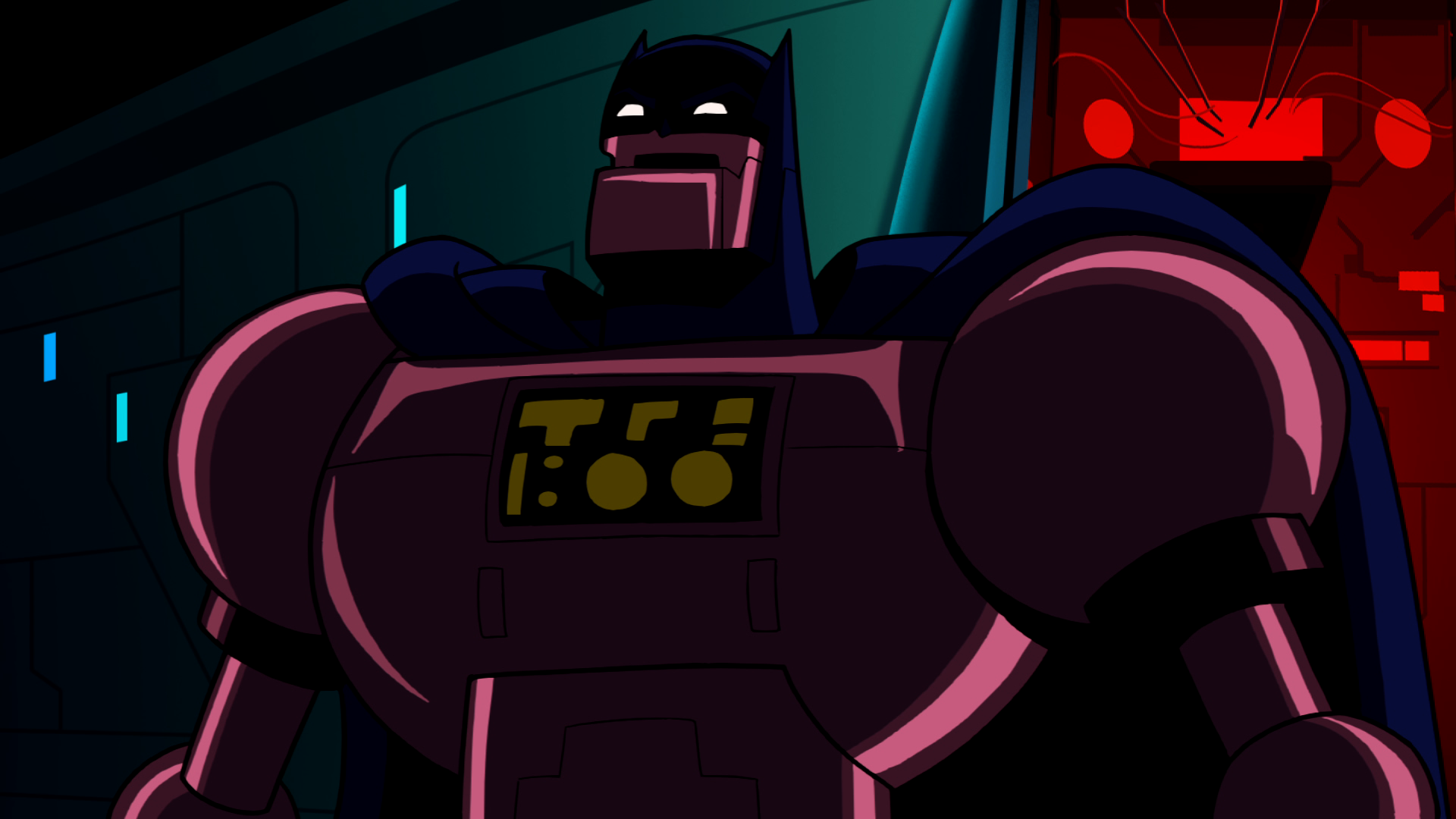
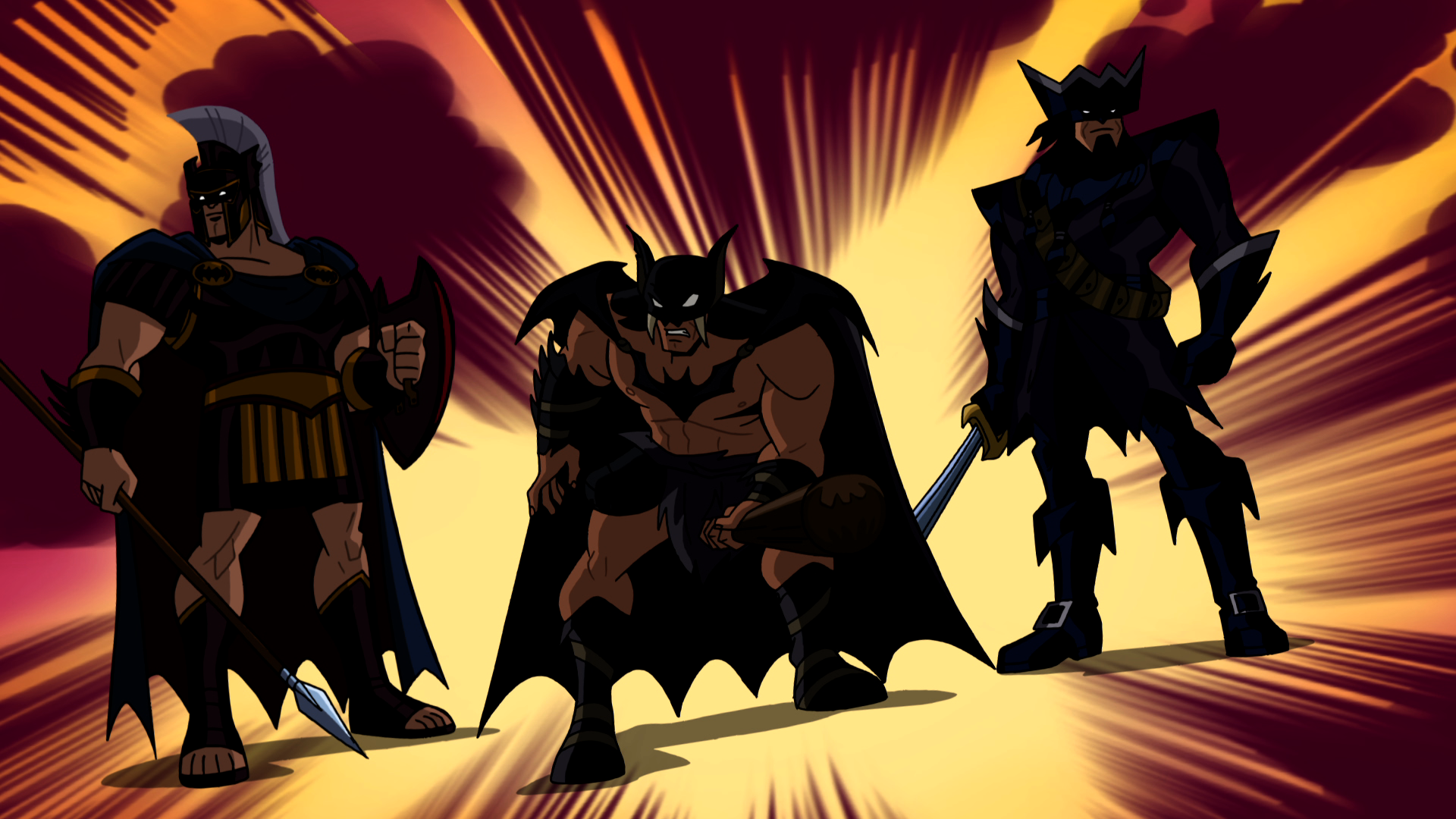
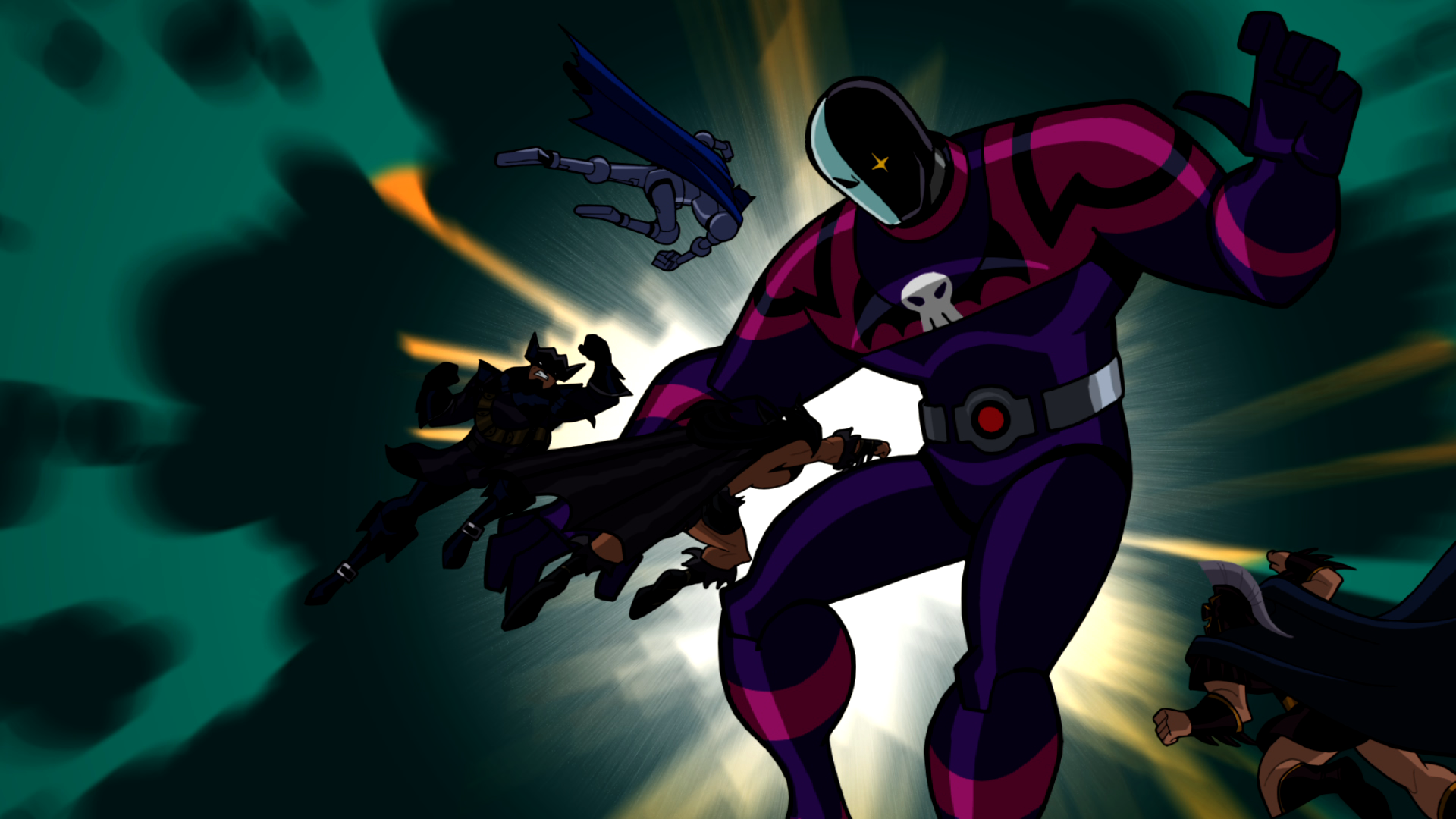
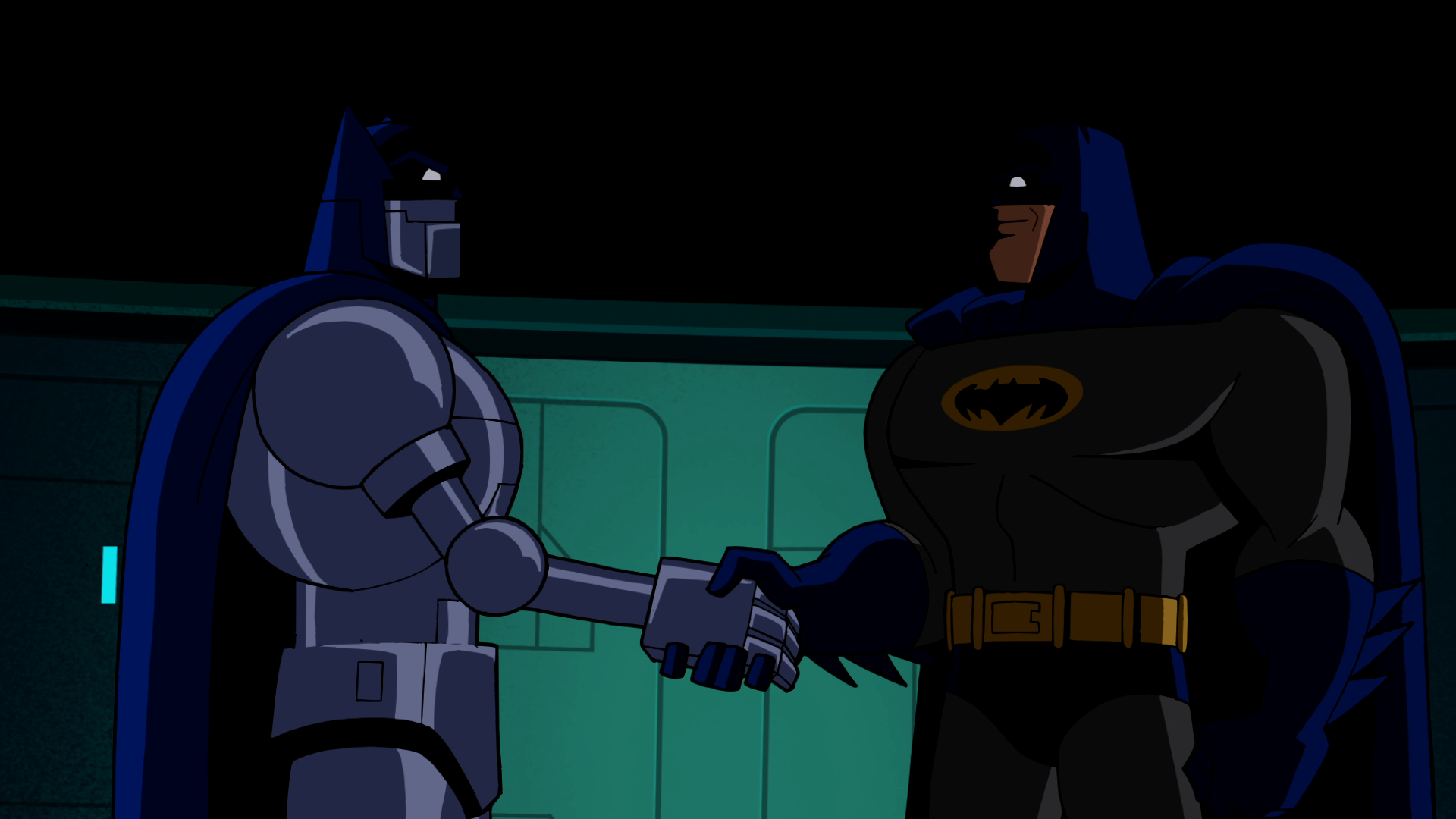
WF: Do you have a favorite among these different Batmen? What were your inspirations behind them? JT: I enjoyed using all of them but my favorite was Batmanicus, the Roman Gladiator Batman, because we kind of invented him for the show. However, there’s Silver Age Batman story called “Batman’s Roman Holiday” where Batman time travels back to Ancient Rome, so that may have something to do with my preferring him as well. Diedrich Bader really got into voicing the different versions of Batman in this episode, but I particularly enjoyed what he did with the Batmanicus voice. WF: As a follow-up, were there any different versions of Batman you were considering for this episode (like Puritan Batman from Batman: The Return of the Bruce Wayne, for example)? JT: We toyed with doing a western version of Batman, but decided on the scenarios we ended up with because we hadn’t used Batman before in those settings, whereas we’d had Batman go to the old west in a Jonah Hex teaser in the first season. Puritan Batman didn’t come up because we agreed that just didn’t seem as easy to translate as the other scenarios, especially for our younger audience members. WF: Batman: The Brave and The Bold allows you and your team to tell some very…far out tales, including ones like this one. How are you able to go from one epic – such as a very straightforward action episode like “Scorn of the Star Sapphire!” to an episode like this that involves time-travel and an assortment of different Dark Knights? JT: I really wanted to set up this series as a show where anything can happen and not have it locked down to any specific tone besides one of action and humor. Luckily, our boss, Sam Register, pushed us in that direction from the very beginning. On Justice League we initially ran into some criticism about putting Batman in certain super-hero settings that he seemed out of place in, which is pretty silly to me. Batman fits in anywhere! Michael and I agreed from the start that we wouldn’t limit ourselves or Batman because frankly, the show wouldn’t have worked if we had grounded it like that. It would have been a series where every hero would have to have happened to be in Gotham for Batman to interact with them, and that’s been done before. Michael and I had worked on more ‘structured’ Batman series and we had no real interest in doing yet another one. Once we committed to the direction it became a lot of fun to produce and actually was kind of effortless (not accounting for the incredible amount of extra work that goes into a series where anything can happen!).
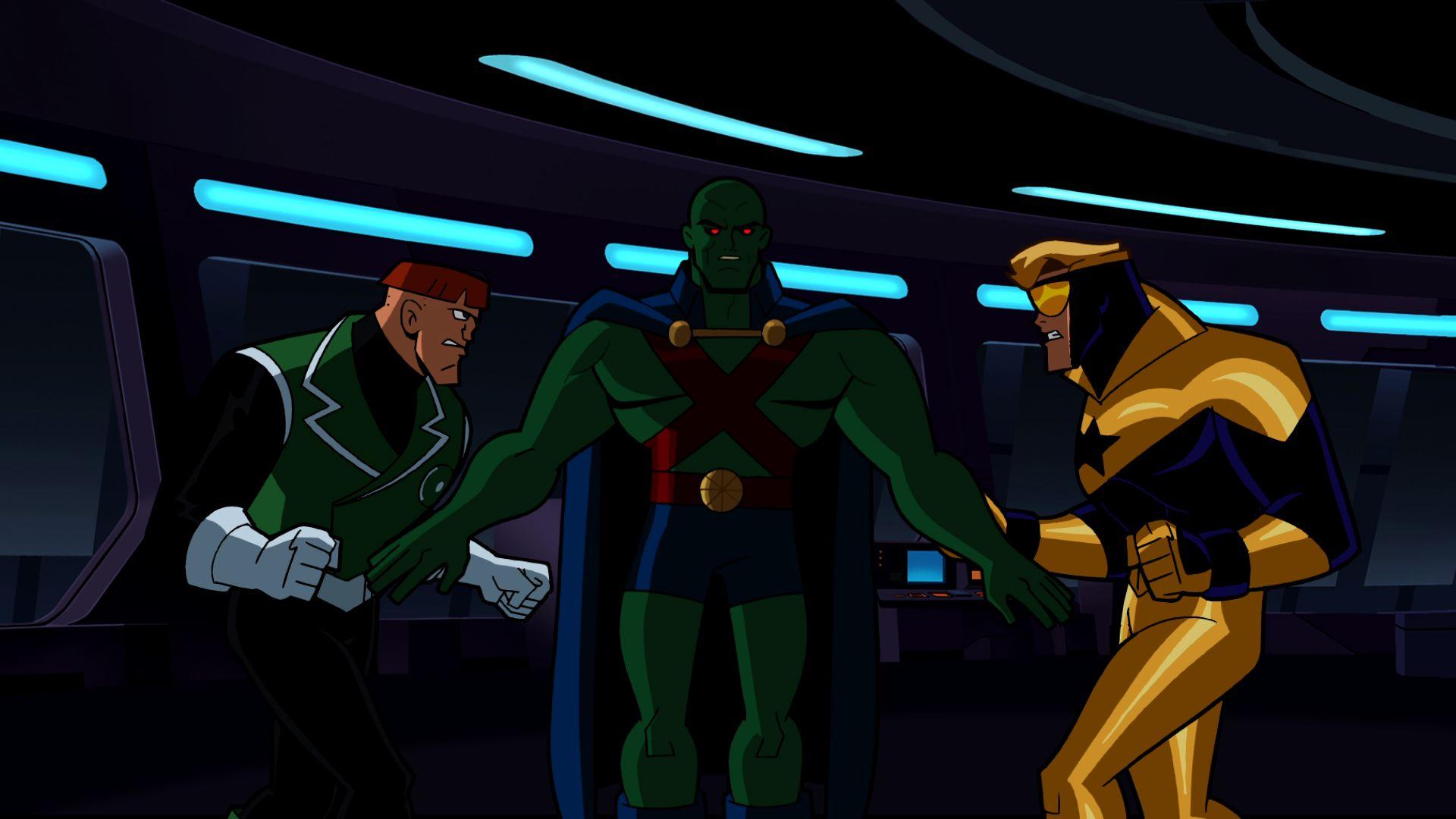
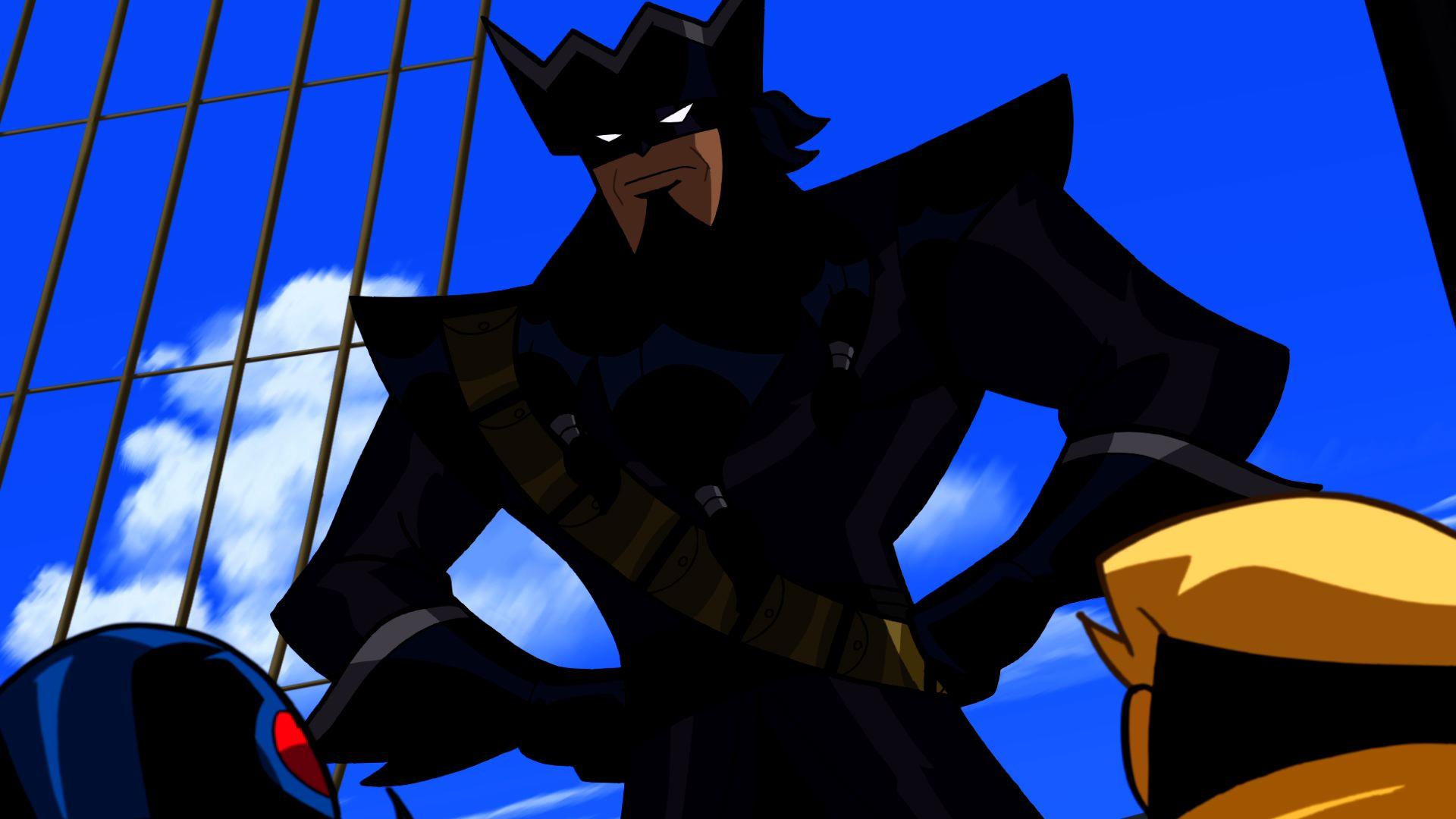
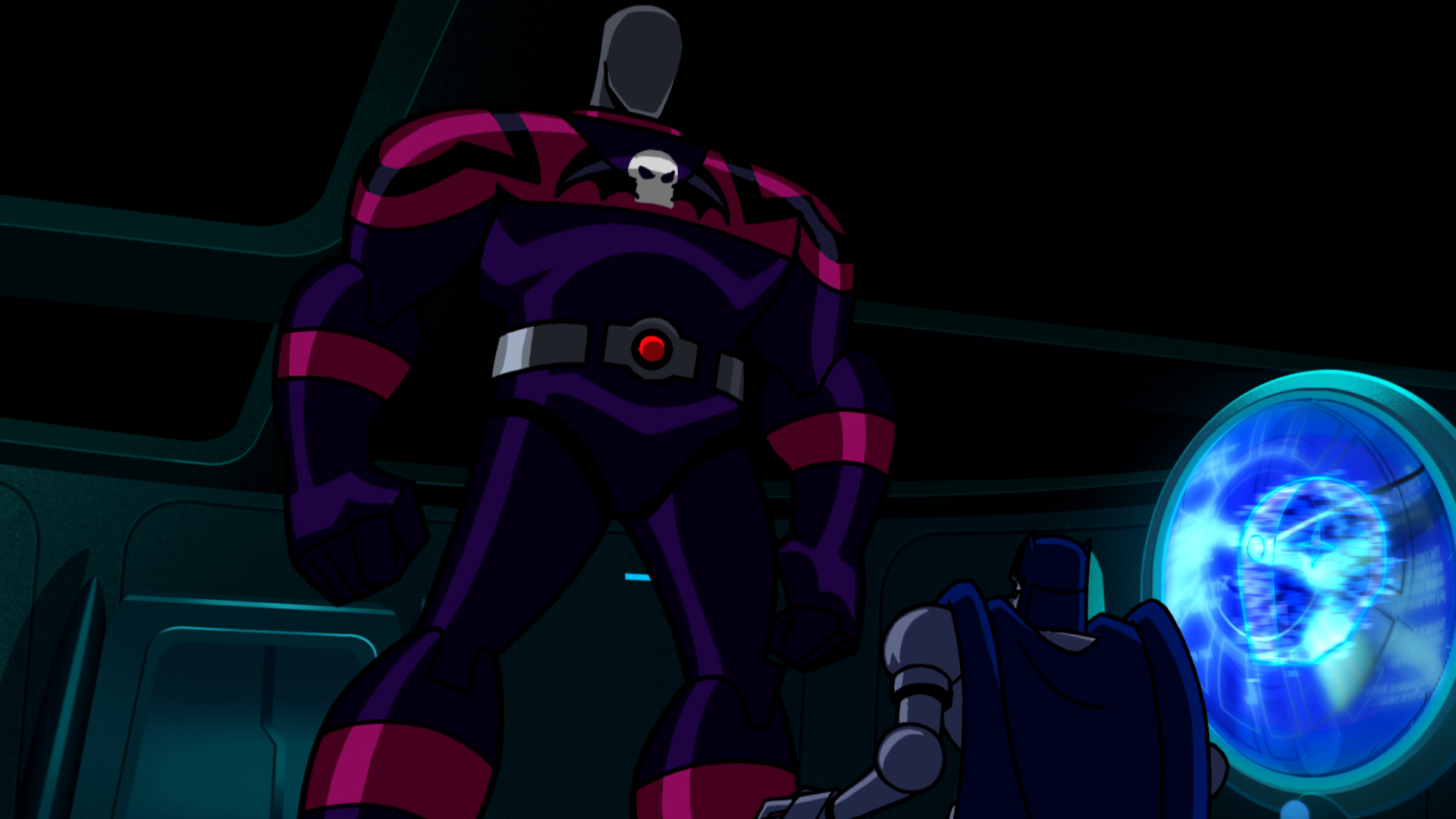
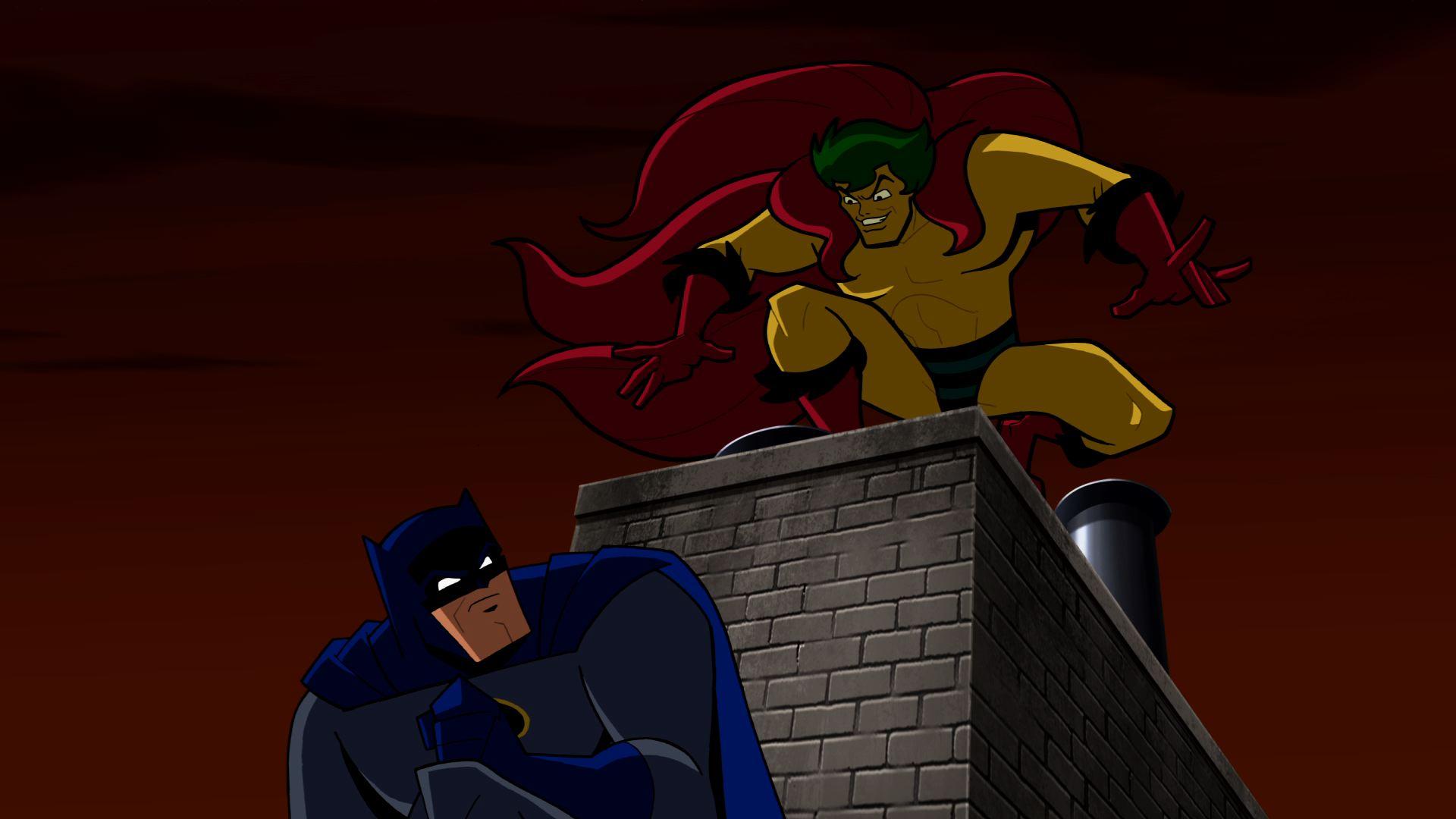
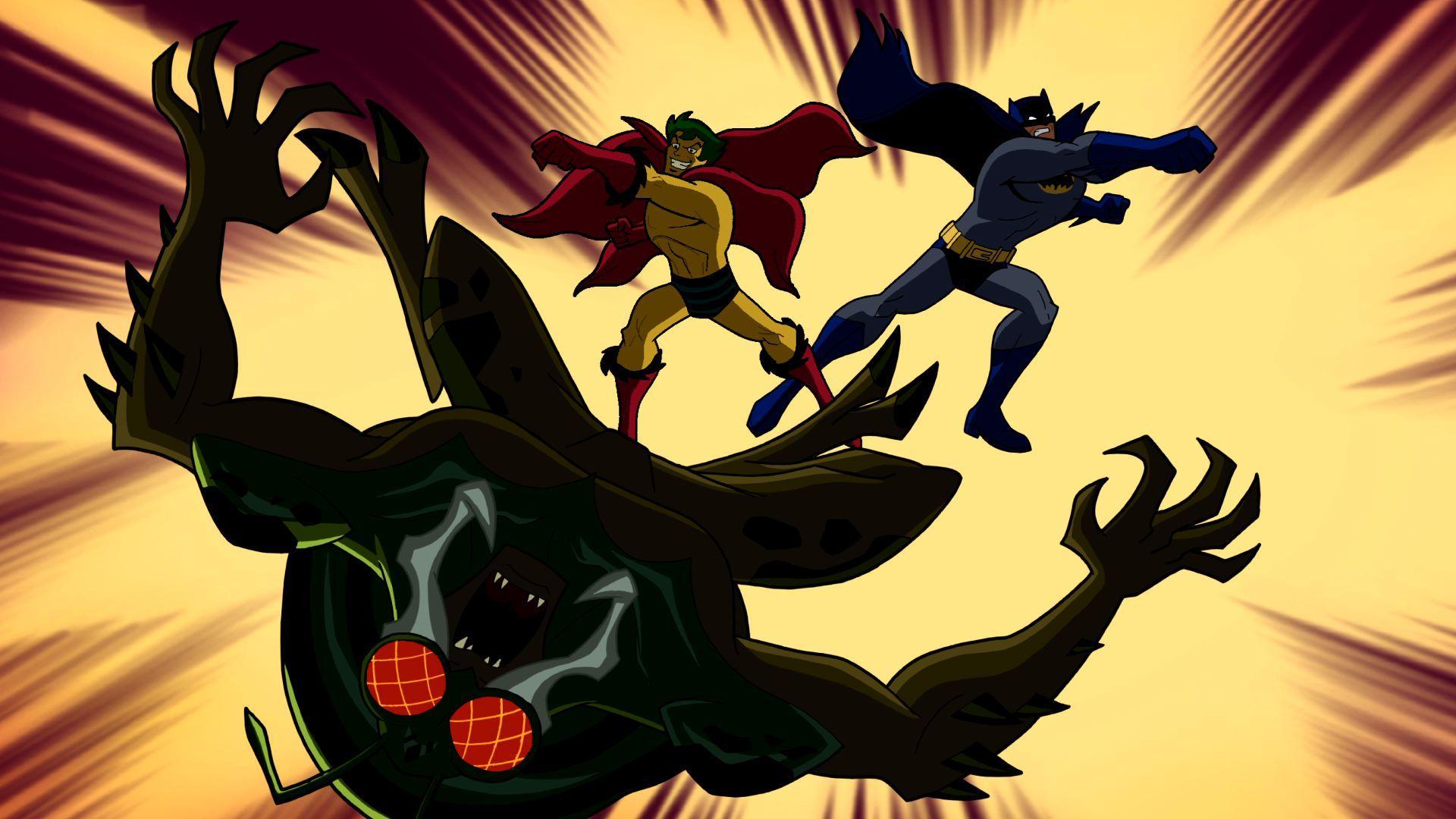
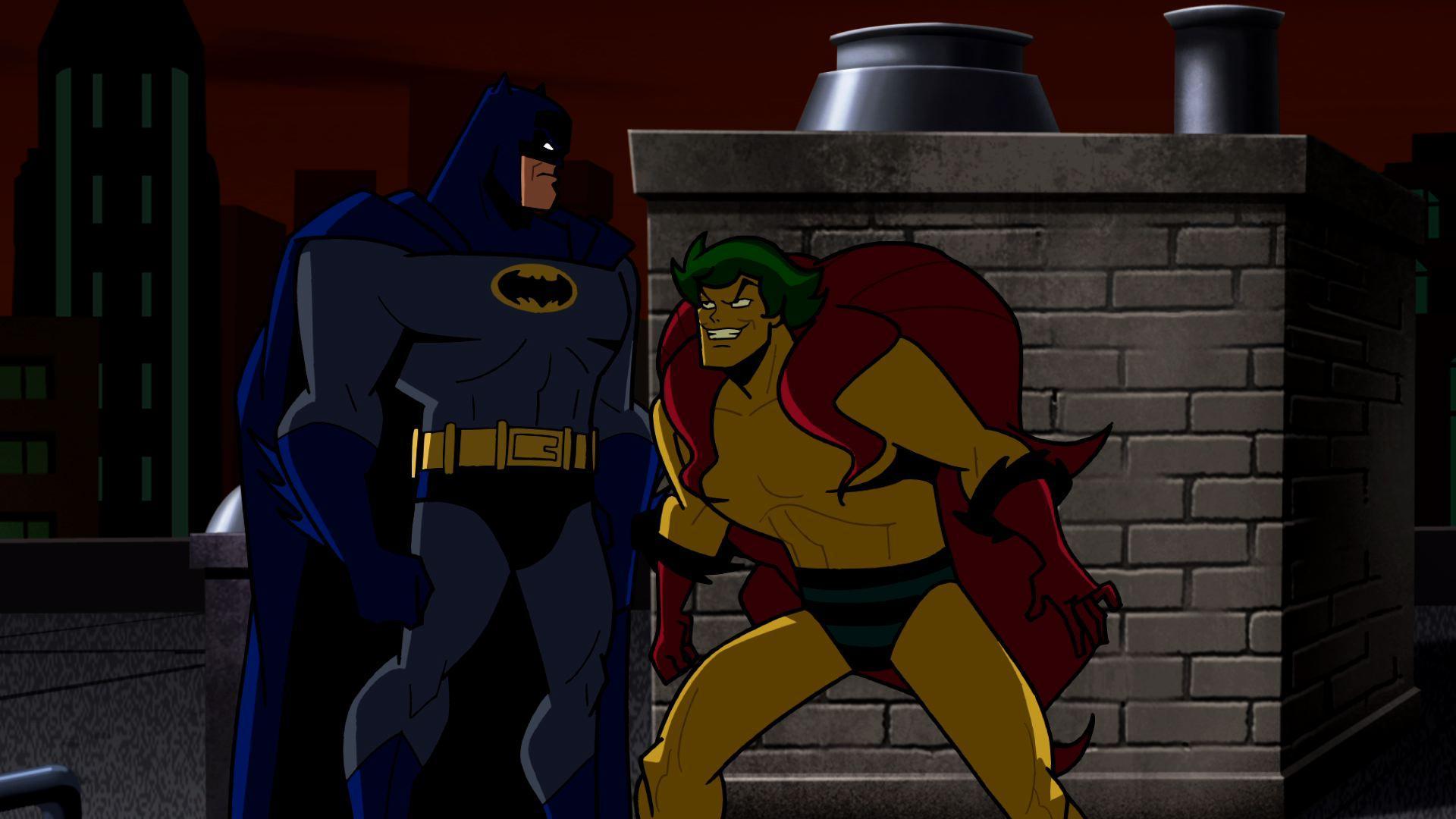
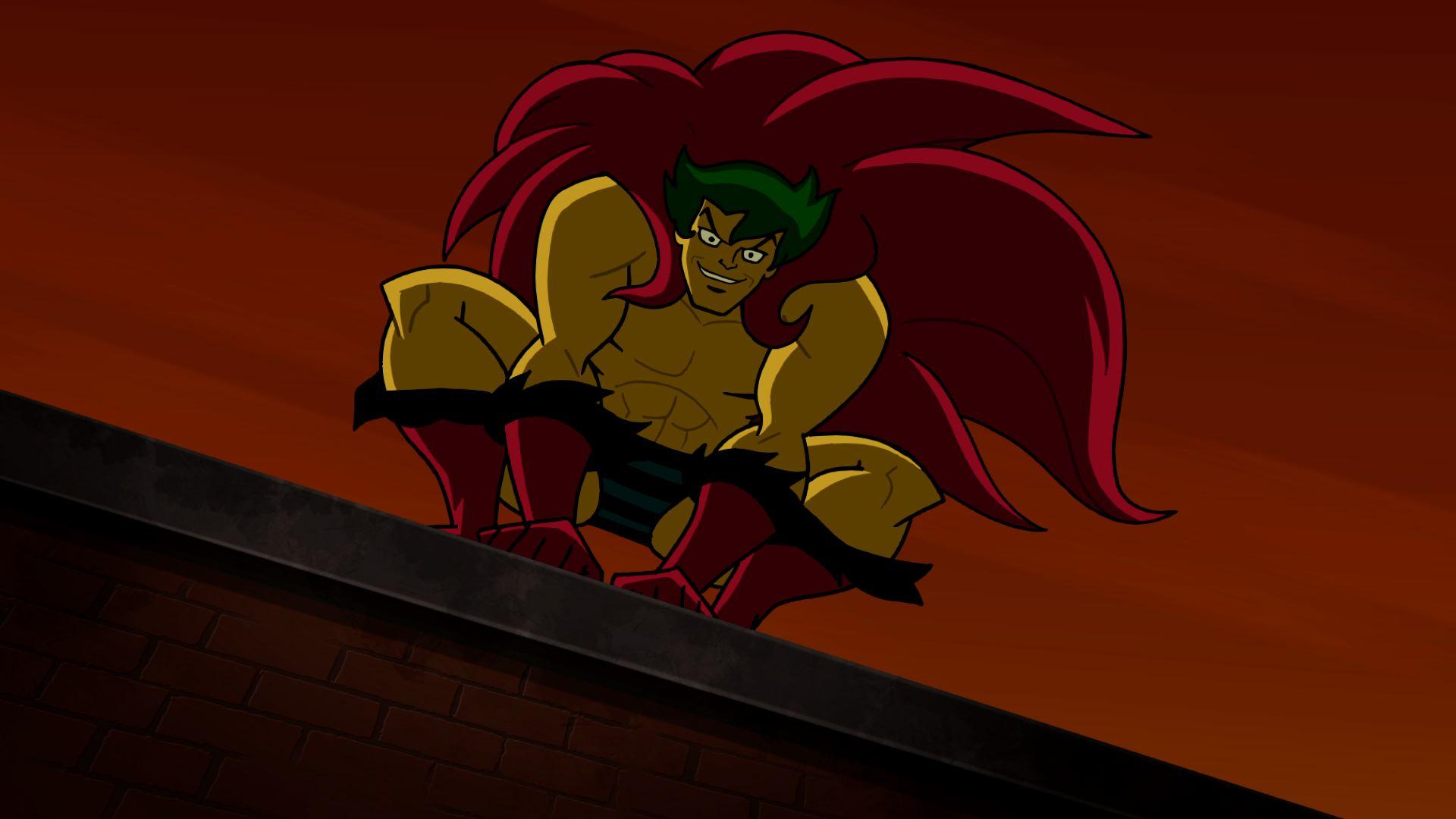
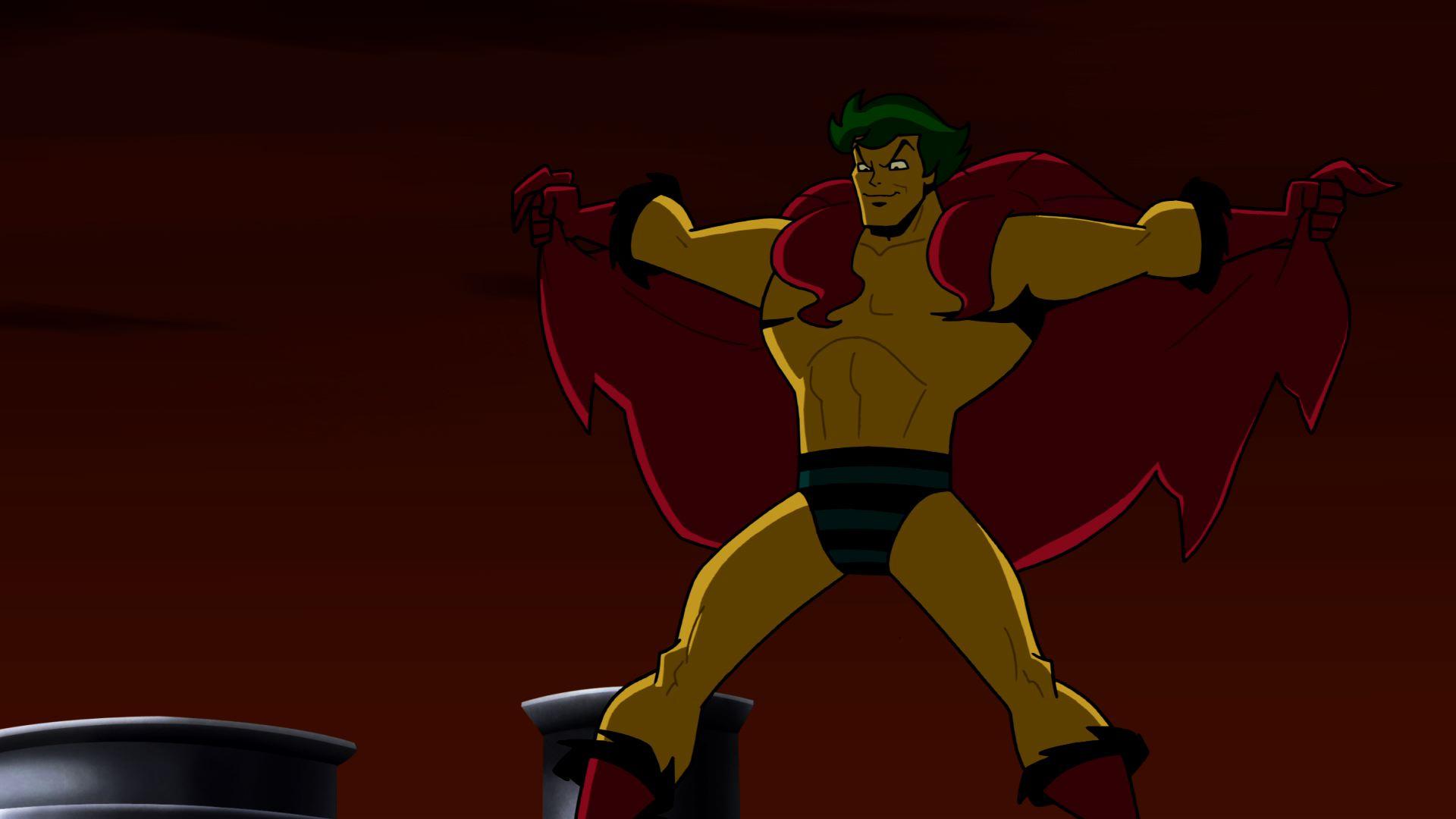
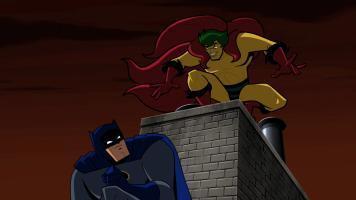
JT: The Creeper was always on our list of characters we wanted to use and I specifically was remembering the original Batman and Creeper team up from the old the The Brave and the Bold comic where they fought Hellgrammite. It was kind of a no-brainer. As far as differing from the Batman: The Animated Series Creeper, he doesn’t differ at all really apart from the fact that Brian Bloom voiced him and not Jeff Bennett who did it originally on Batman: The Animated Series. But it’s the same character basically. If I had had more episodes, I wanted to use a few other Steve Ditko drawn characters like Shade, The Changing Man and Odd Man. WF: Finally, any last thoughts on the episode? Any in-jokes or easter eggs fans might want to try and catch? JT: This episode was a lot of fun and I think the highlight of it was the opportunity to bring back the JLI again. We really fell in love with this particular group of heroes and if we’d been able to spin-off a show from from Batman: The Brave and The Bold, it probably would have been one featuring the JLI. As far as Easter eggs, the final Batman that is revealed in the episode is based on a very unique version of Batman that appeared (where else) in a Silver-Age story entitled “Robin’s 50 Batman Partners.” Don’t Google it until after you’ve seen the episode (if you haven’t already) if you don’t want to be spoiled!
Review (Andrew)
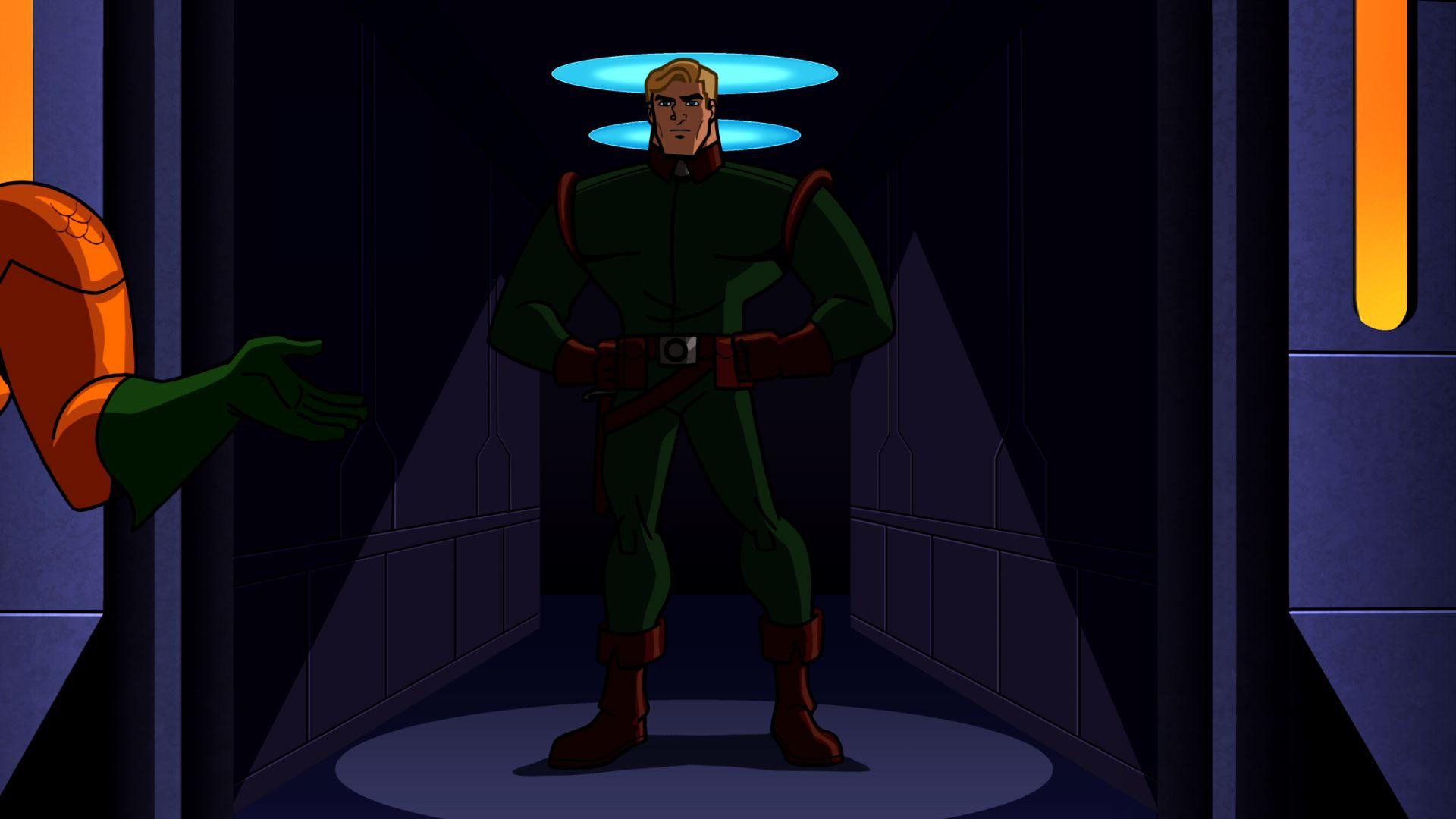
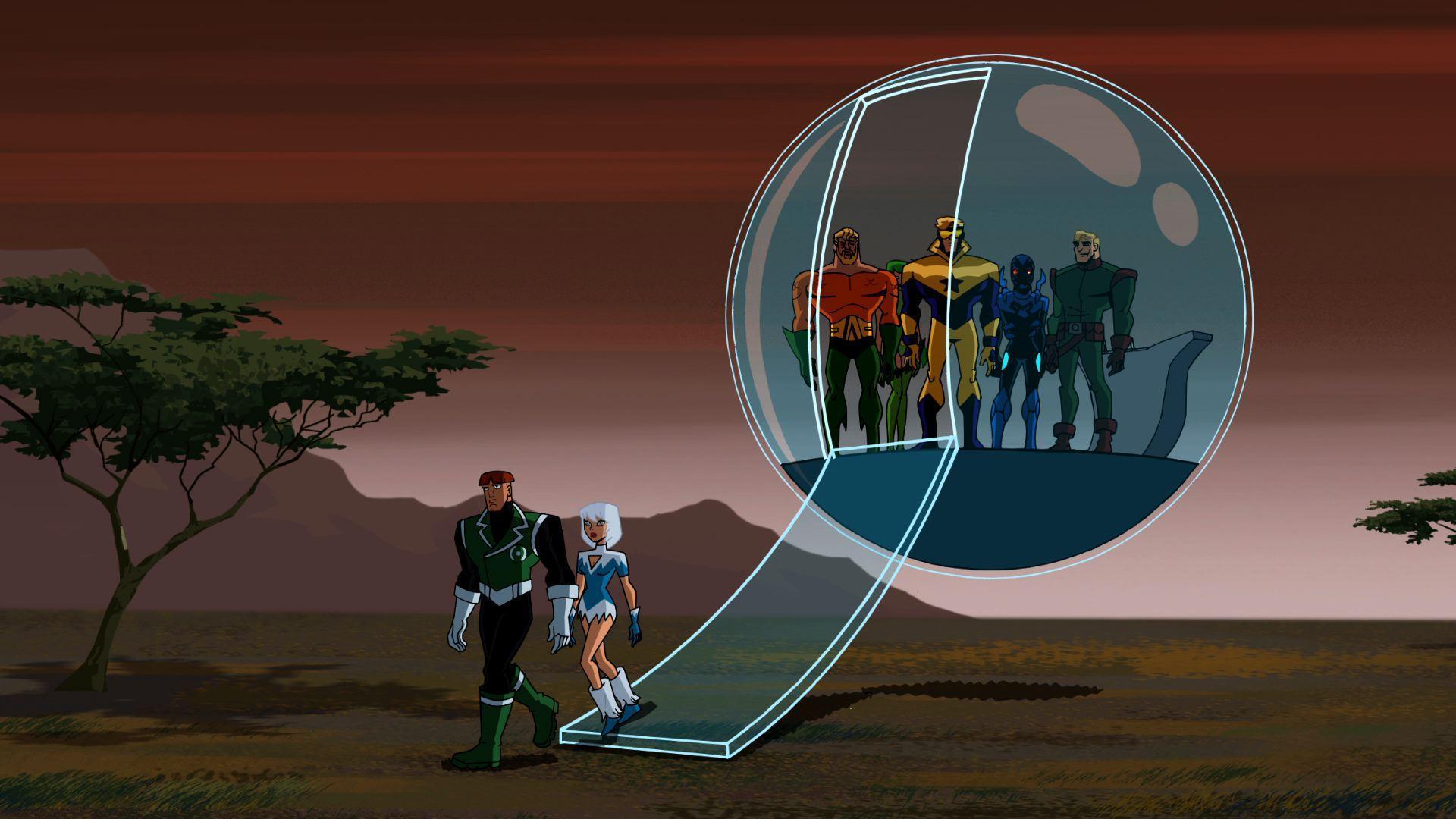
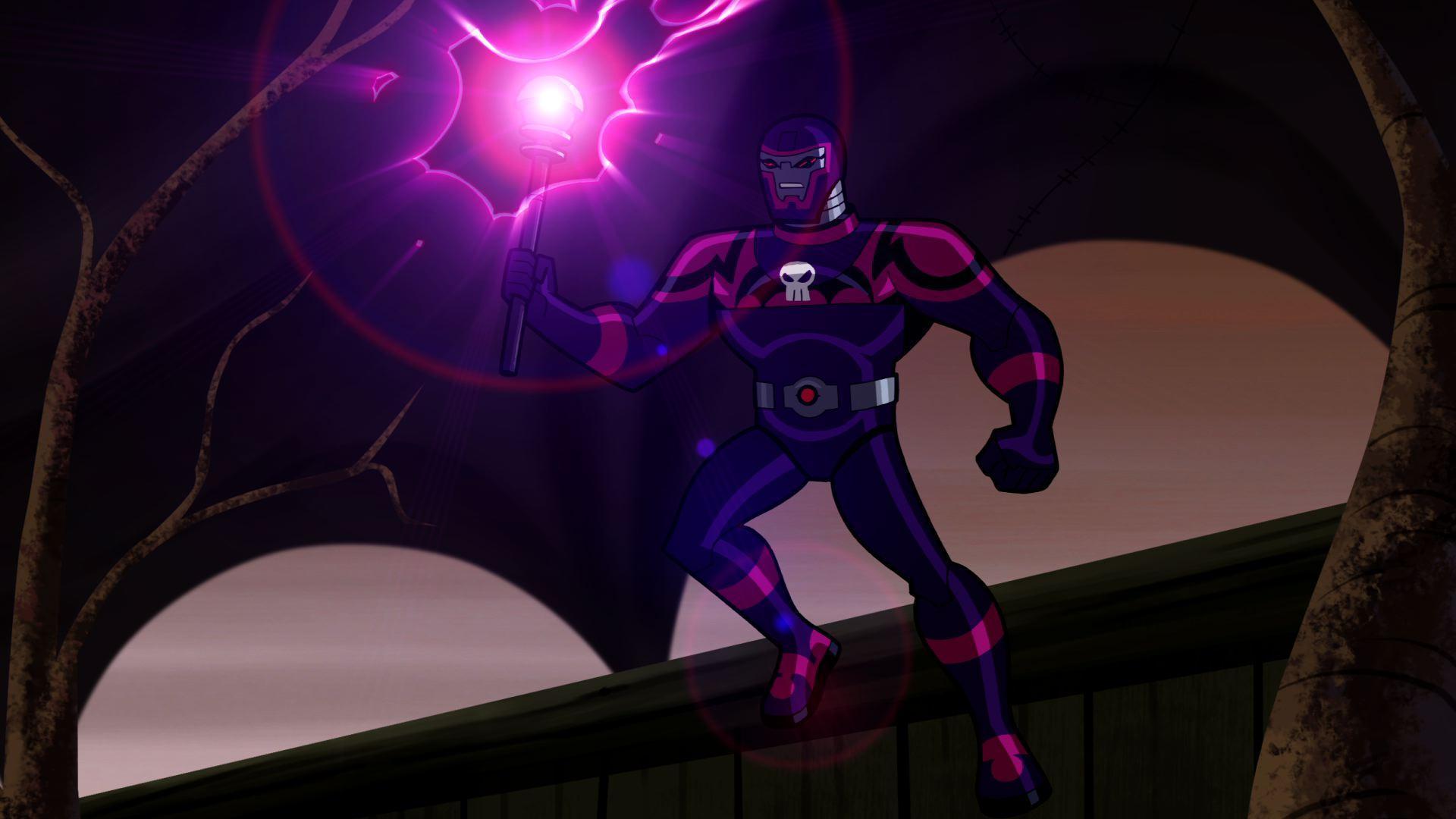
Review (klammed) Main Episode: Within the first ten minutes we’ve already got the plot moving quickly. The episode begins with a fight between Catman and Batman (seen with the giant robotic cat from Detective Comics v1 #311). This is just filler, as Batman mysteriously disappears and the scene shoots to the Watchtower. Sufficiently humorous interaction between the members of the team as viewers get reacquainted with them covered that scene. I appreciated how the writers made the effort to include a quick round of each character’s quirks, which helps the episode work more like a standalone without too much background knowledge of the characters through the series, though that might of course deepen ones appreciation of their presentation. Another thing worth noting, once again, was the soundtrack. Sure, it’s not the epic noir darkness of the Batman Animated series, but I felt like each scene had its own little character, greatly helped by the music. The cheery fight scene music in the first, followed by the patriotic one during Rip Hunter’s general/commander like pep talk/speech, and even the transition as they travelled through time, all had their distinct sounds. As they were travelling through time, and through various eras, the music changed drastically along with it as well. This, I think, remains one of the great things about this show: it takes various clichés and generics of pop culture, condenses it, and uses it very specifically, to immediate recognizable effect. Rest of the plot wise though, for those who’ve read Grant Morrison’s recent run of Return of Bruce Wayne, this episode follows it loosely. Where Morrison attempted to justify all the appearances of Batman through time during the wacky Golden Age comics, this show however just rolls with it, Golden Age style. However, I felt at times that the era related jokes or quirks did not stand out as much, or fell flat. Homage is appreciated, but after the first act, felt a bit weighed down by it. As for the villain, it was nice to see Equinox again, though I wonder if they intend to use him for the show’s finale villain. Also I noticed that for someone meant to balance chaos and order, he’s not quite all there, and the visual cue of the ying-yang sign representing him not truly balanced in black and white (where the white spot should be it’s yellow), shows that brilliantly. Something I hadn’t noticed before, but props to production for including this sort of detail. Overall verdict for this episode is that if you wanted to watch it purely for homage, then it was fine, and passable as a Brave and the Bold episode. It didn’t reel me in as some other episodes did, but it’s certainly not horrifically bad either. [ Back to Reviews ] |