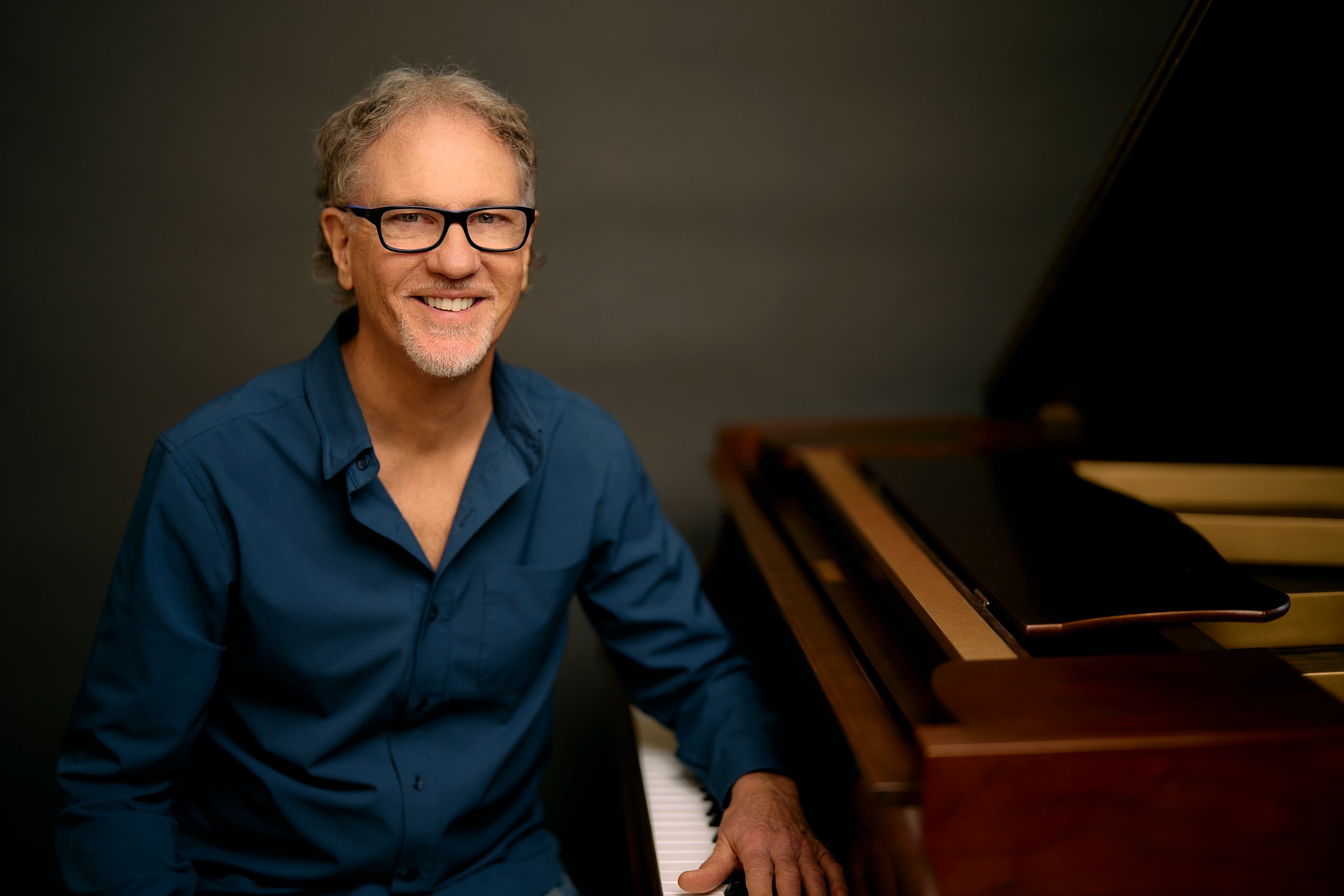
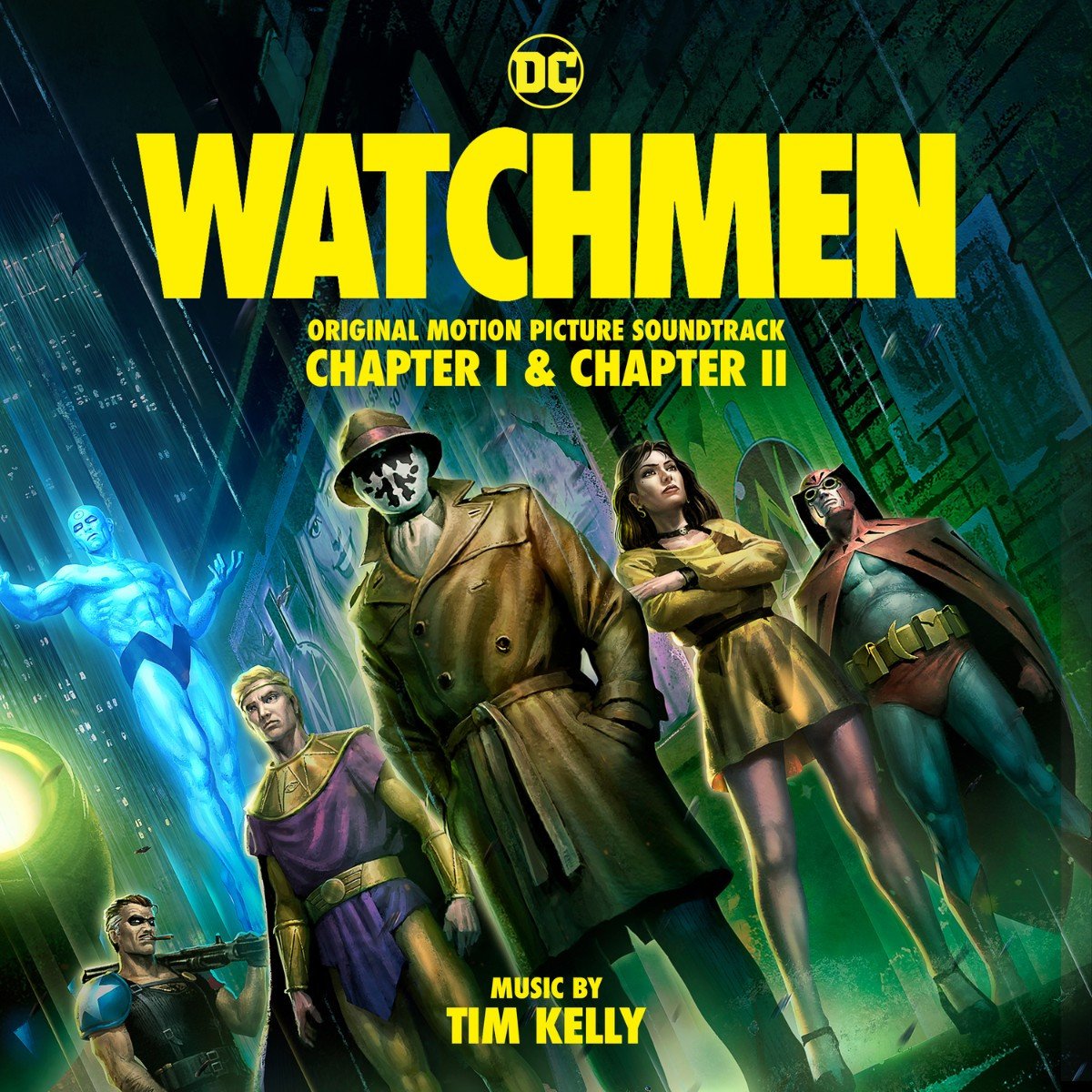
The World’s Finest has caught up with acclaimed composer Tim Kelly to discuss his work on the 2024 two-part animated feature adaptation of Watchmen, based on the groundbreaking 1980s comic series. For over thirty years, Kelly has composed and orchestrated for countless film and television projects, ranging from animated shows, like Animaniacs, to live-action films, such as Race to Witch Mountain. He continues to compose for animated projects, his most recent work being for the aforementioned Watchmen adaptation, the soundtrack of which (Watchmen, Chapter 1 & Chapter 2: Original Motion Picture Soundtrack) is now available to own on digital from Lakeshore Records. Check out the Q & A below as Kelly breaks down how his superb score for the animated movies came to be!
The World’s Finest: First off, can you give us a rundown of yourself and your works, as well as how you came to be part of the animated Watchmen features?
Tim Kelly: I was raised in a musical family in Washington state and started taking arranging and composing seriously in high school. I moved to L.A. when I was 21 to complete my musical training and was able to make a few connections. I was fortunate to eventually secure a spot orchestrating for some amazing animation composers at Warner Bros. This led to opportunities to compose cues, and later full episodes, for Animaniacs, Pinky and the Brain, and other shows on a team of talented composers writing under the supervision of Richard Stone.
I really fell in love with the world of animation, and I’ve done most of my work in it ever since. After I started getting my own gigs at Warner Bros. I met director/producer Brandon Vietti, who hired me to score a series of Lego DC Comics movies, and over the course of eight years we developed a close working relationship. Brandon was picked to be the show runner for the Watchmen movies and I feel very fortunate he chose me to be his composer.
WF: Let’s start at the beginning for Watchmen. The opening titles don’t sound like a traditional theme, they seem more abstract, almost mood-driven. What was your thinking behind that approach? What were you trying to establish right from the start?
TK: Soon after Brandon and I had started working together, it became apparent that we both had a love for synthesizers and electronic music. For the Watchmen films, he proposed writing a score that primarily featured analog synthesizers used in an 1980s film score style, and I loved the idea. It would fit nicely with his visual images, the tone of the story and the time period in which it takes place. Alan Moore created a moody alternate world and we wanted a musical consistency throughout to enhance it. I was asked to create an audio demo for Brandon and the production team so they could hear what I had in mind for the score’s style and, as it turned out, much of that material became adapted into the main title.
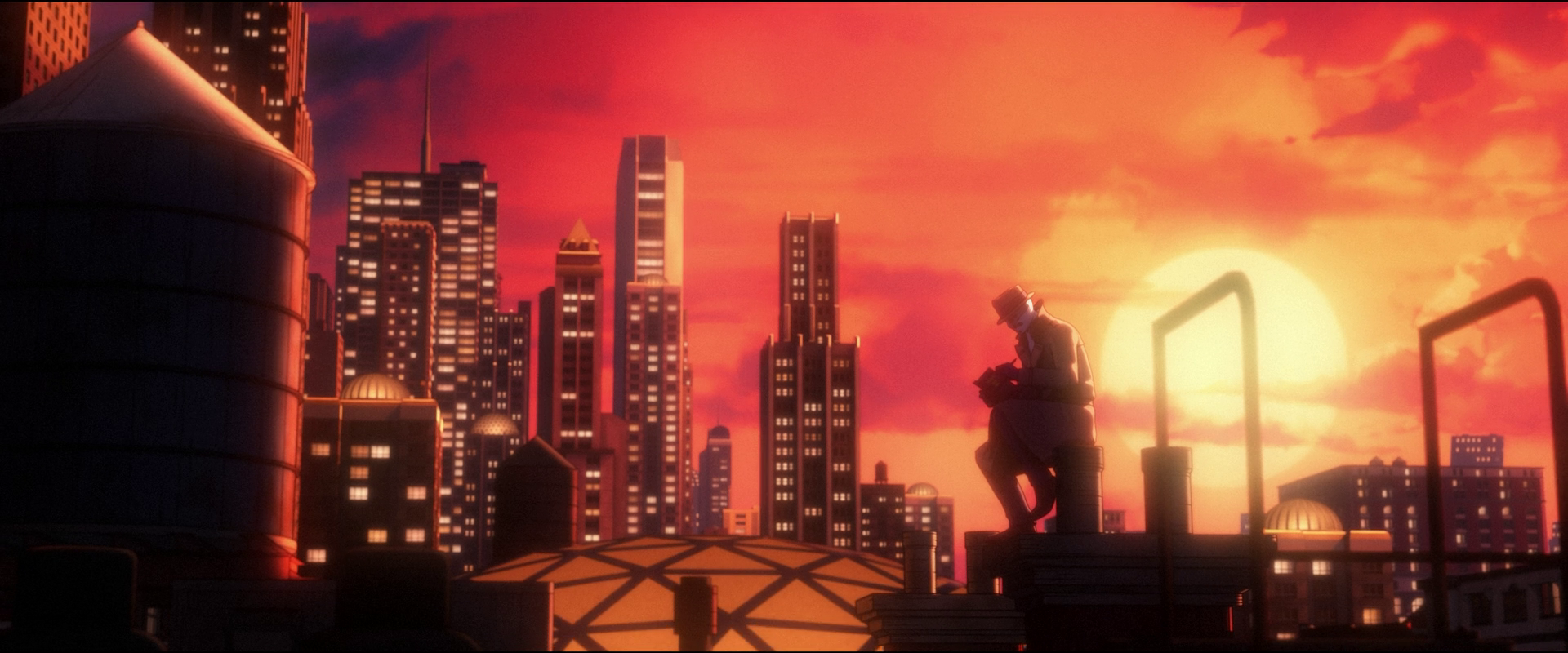
In that original demo, I wanted to establish my vision for the sound of our Watchmen world. Rather than a traditional orchestral superhero score, we both felt that a less melodic score, one that created mood with ambient electronic sounds, could enhance the moral ambiguity of the story. Additionally, dirty, distorted synthesizers would work well to enhance the comic’s imagery of grittiness in this alternate world’s New York streets.

WF: What did your scoring process actually look like? Were you working from rough cuts, storyboards, or something else?
TK: I was given ample time to work with Brandon on themes and had access to the early animatics. I got updates of animatics throughout the process, so I was able to sketch most of the music before I received a locked cut. This meant I had to go back and edit some of the music after I received the locked cut. But generally, the timings for the animatics were pretty close to the timings of the final version thanks to Brandon’s clear vision from the beginning of what he wanted.
WF: Synthesizers and electronic music are clearly key to your approach to scoring Watchmen. What was the idea behind using synth as the score’s main driver? Did it seem like a natural choice, given the source material and its setting?
TK: It did feel like a natural choice for us since we both love electronic music, it seemed like a synthesizer palette would fit in with the source material, and some of the movies we both revered from the late ‘70s and 1980s also had scores that featured analog synthesizers. When Brandon started sending me early stills of the animation style that was to be his interpretation of the original comic, I knew a synth-driven approach to scoring was going to work well with the look he was going for.
WF: A somewhat related follow-up – did you handle the music for the in-world TV programs, commercials, or other diegetic elements? That must’ve required a different creative approach.
TK: The diegetic elements were handled traditionally, stylistically predictable and in character, which is unlike the scoring style we had settled on. This required a different approach to composing and orchestrating than for a classic analog synth score, and it allowed me to wear different hats, stylistically speaking, which is something I’ve been fortunate to have had lots of experience with throughout my career.
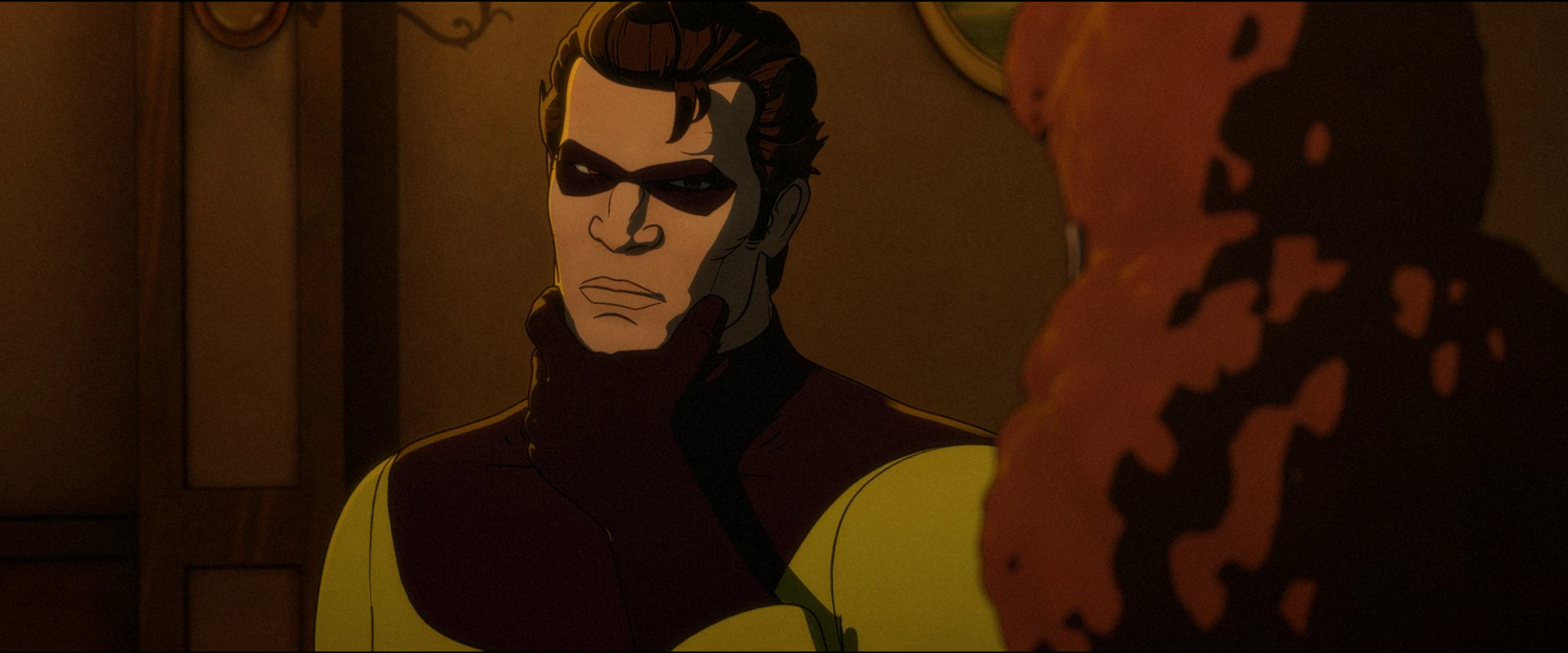
It’s worth mentioning that some of the source music purposefully blurred the lines between score and source. Besides helping to place a sequence in a particular time period, we used source to play against picture to create an unsettling mood. You can see this in the violent scene with the Comedian and Silk Spectre I in the first movie, and when the thugs beat up Hollis Mason in the second. The source music I wrote had a sweet and sentimental quality which effectively made those horribly violent scenes feel even more disturbing.

WF: How closely did you work with the director or editors? Was the placement of music collaborative, or were you mostly working independently?
TK: I worked primarily with Brandon on placement and style, and it was a collaborative effort. For many of the scenes, he had a specific musical mood and approach in mind and gave me examples for reference. Even though Brandon isn’t a musician, he loves music, has great instincts and communicates his ideas very well. We had initial spotting sessions and discussed the in and out points before I started writing. Sometimes those points moved, depending on how they felt to us, after I gave Brandon my first demos with the animatics.
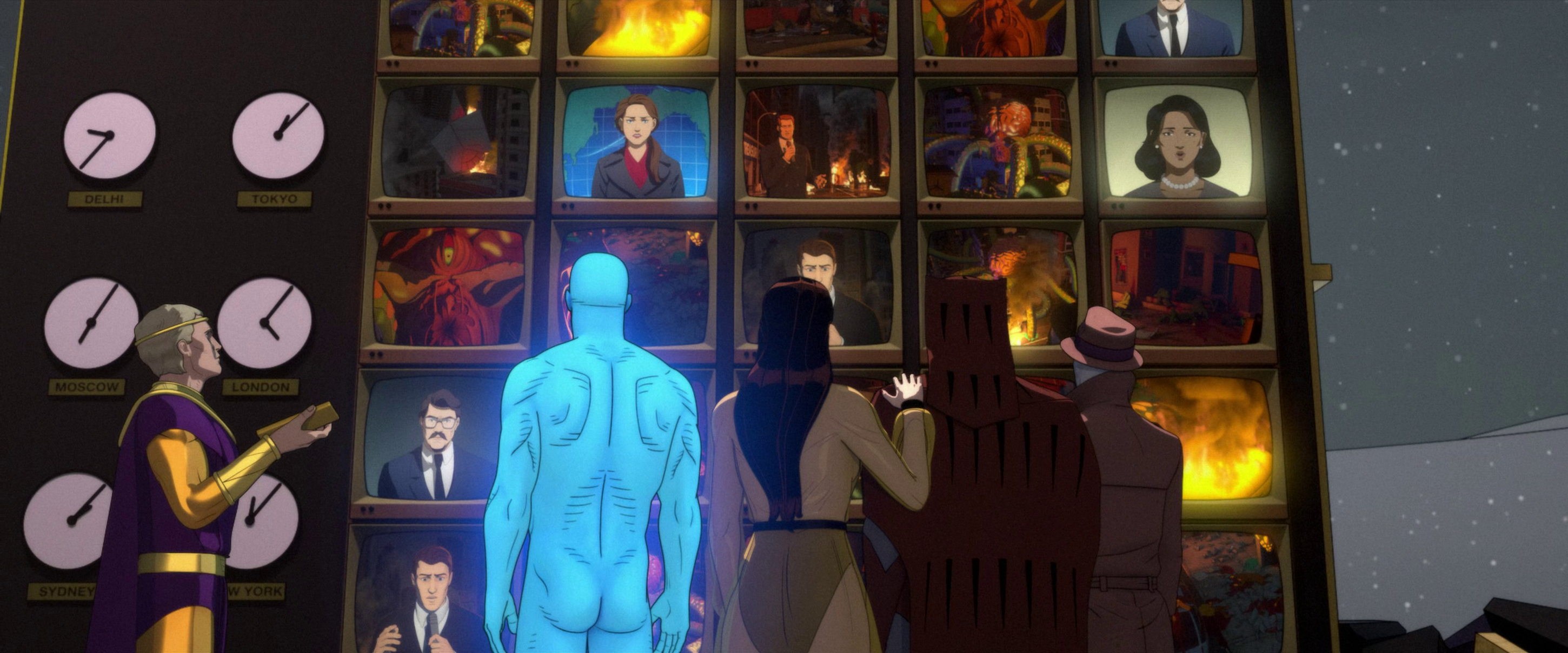
WF: Some sequences cut between very different tones, like the Dr. Manhattan interview cross-cut with the alley fight. How do you approach scoring scenes like that? Do you try to musically unify them, or treat them separately? There’s also a dissonance in scenes where visuals and narration clash, for example, Dr. Manhattan walking through an army base while another character reads Tales of the Black Freighter. Which element do you score for in a moment like that? Were there moments where you had to basically choose who you were scoring?
TK: The technique of cutting between the Tales of the Black Freighter story and what was happening in the larger Watchmen story came right out of the comic book. This is also true for the sequence with Manhattan in the TV studio and the alley fight, which you mentioned. Brandon’s vision for these particular sequences was to amplify the parallel arc of the two stories/scenes as they simultaneously developed, through editing and motion, in a way that would only be possible with animation. I think this was handled brilliantly.
The larger Watchmen story and the survivor’s story have a loose connection. It has been suggested that the survivor’s predicament resembles Veidt’s, and in places the two stories seem to be commenting on each other. There’s a sense that the events and tension in both stories keeps building toward a certain inevitability, which gives a shared continuity to them. So, finding the one right tone to enhance this continuity with music was my goal. I didn’t really favor one character or scene over the other in terms of the cuts. With a few exceptions, I played through those scenes trying to capture the emotional essence of what was happening in any given moment.
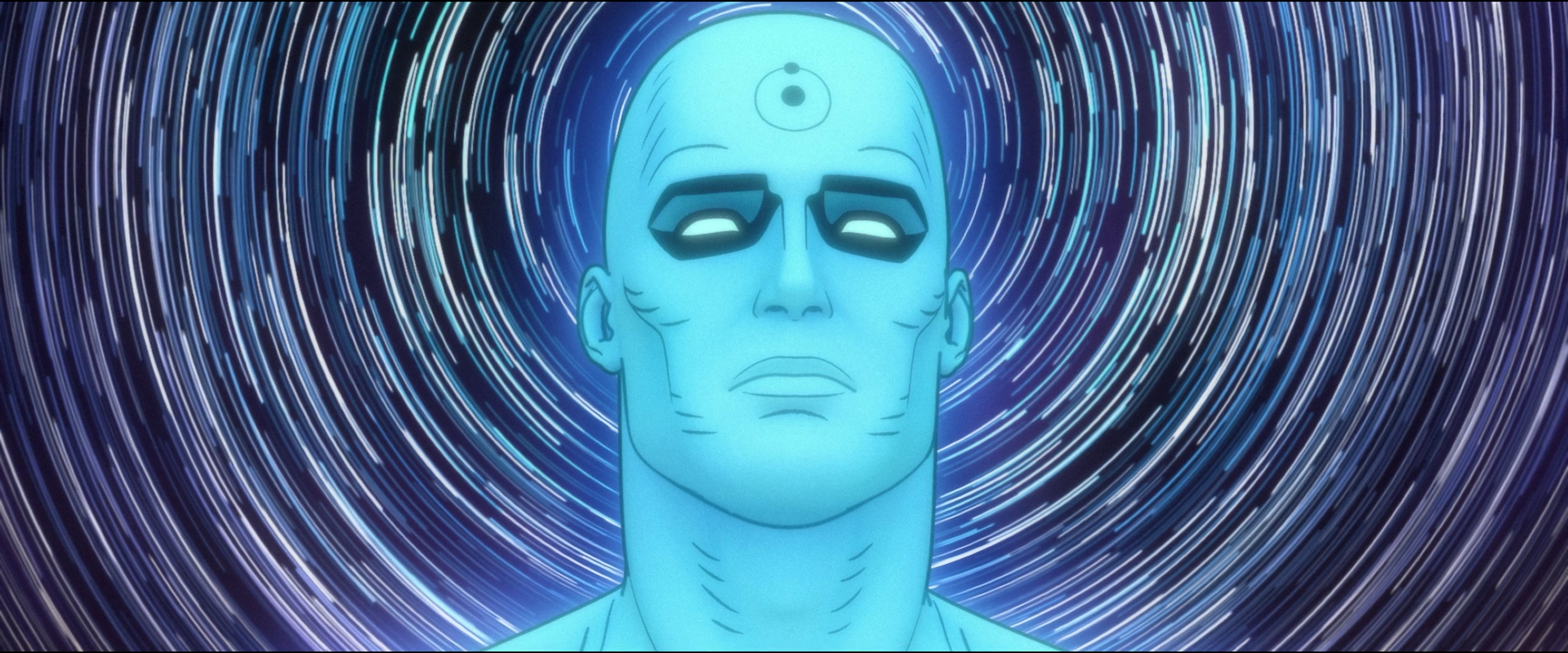

WF: “Manhattan on Mars” is a beautiful piece. It starts hopeful, cosmic, even serene, but slowly turns ambiguous, even ominous. Is it tricky to write music that requires crossing over different emotions and story beats in such a short span? It must require precise work.
TK: The track “Manhattan on Mars” is one part of the long and complex sequence for Dr. Manhattan’s backstory. Other tracks on the soundtrack album from that sequence are “A Sudden Sense of Deja Vu,” “Manhattan Reassembled,” and “Manhattan Rises.” I broke this music up into smaller sections for the soundtrack album because a single track with all the music together would’ve been over 14 minutes!
I am well acquainted with composing music that changes rapidly through many different moods and styles within a short time span thanks to all of my experience writing for comedic animated shows. In those shows, it’s always a challenge to write something that sounds like a self-contained piece of music when heard independently of the picture, but still syncs up perfectly with the sometimes manic world of comedy animation.
This was no less of a challenge for composing the Watchmen scores. The nature of the style we had chosen for scoring – classic analog synth film scores from the 1970s and 1980s – is inherently slow-moving and creates drama through broad sweeps. Hitting all of the dramatic beats while being true to this style, especially when they happened in a short space of time, often meant minimizing musical elements, making the most of very subtle changes and spending a lot of time carefully mixing the music. At times, it felt like a creative puzzle to be solved, and I enjoyed the process immensely.
WF: Were there any unforeseen challenges in the scoring process, like technical issues, creative blocks, or things that caught you off guard? Was there a cue that gave you more trouble than expected?
TK: The accident sequence in the first movie, with Jon Osterman in the locked test vault, titled “A Sudden Sense of Deja Vu” on the soundtrack album, was a tough cue. We needed a gut-wrenching sense of tragedy for this sequence and my initial demos weren’t helping to dig out that feeling enough. After trying several different versions, Brandon and I decided we would try breaking the “rule” that my score consist of 100% synthesizer sounds.
To achieve a more tragic and human element for this sequence, and in other places in Manhattan’s back story, I went for a hybrid style of scoring, incorporating some traditional orchestral instruments like strings and horns. I was careful to EQ and mix them in with the synthesizers in a way that would help them blend better with the synths. The effect of this hybrid style worked to emphasize the emotion and tragedy in Manhattan’s backstory while keeping synth sounds as the primary read in the musical palette.
WF: Is there a particular moment or cue in the film you’re especially proud of, either because of how it turned out or how it came together?
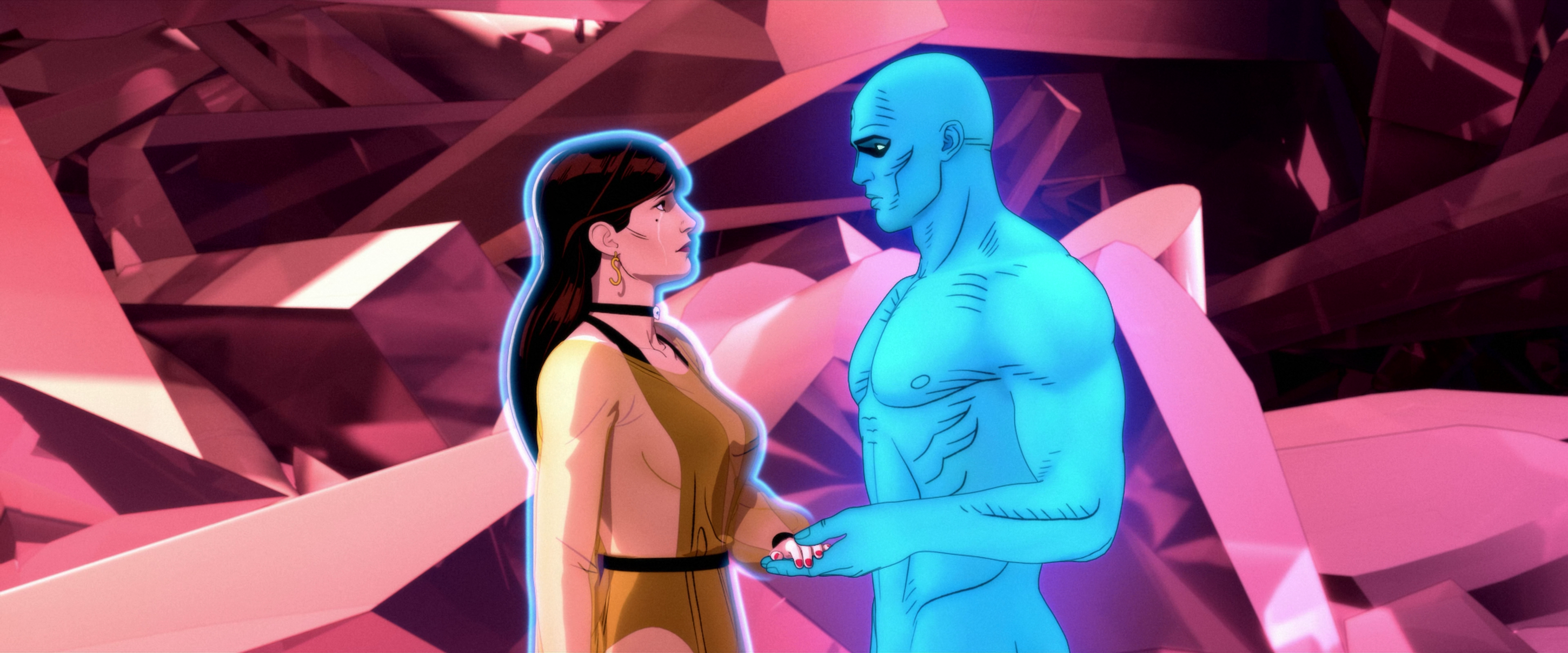
TK: There’s a sequence on Mars in the second movie where Dr. Manhattan tells Laurie he changed his mind about humanity. He decides human life is miraculous, and as his dialog/voiceover progresses, there are a series of shots that move farther and farther out in space until we are looking at a beautiful image of the whole universe. I’m very happy with how that cue, which is titled “You Changed My Mind” on the soundtrack, turned out. It’s one of the only bright and hopeful moments in either of the movies, and I thought the music did a particularly good job of supporting both the dialog and images.
WF: As we start to wrap this up, what’s the first track you’d recommend folks checkout when they pick up the soundtrack?
TK: I think “Watchmen World” would make a good first track to check out. It’s a good overall representation of the style I was going for in the scores.
WF: Lastly, do you have any current or upcoming projects you’d like to fill us in on?
TK: I’ve got a few irons in the fire, but nothing specific I can mention yet. Meanwhile, I’ve been working on a new side project of genre-bending electronica tracks and I’m getting close to being able to release an album. I’m very excited about that.
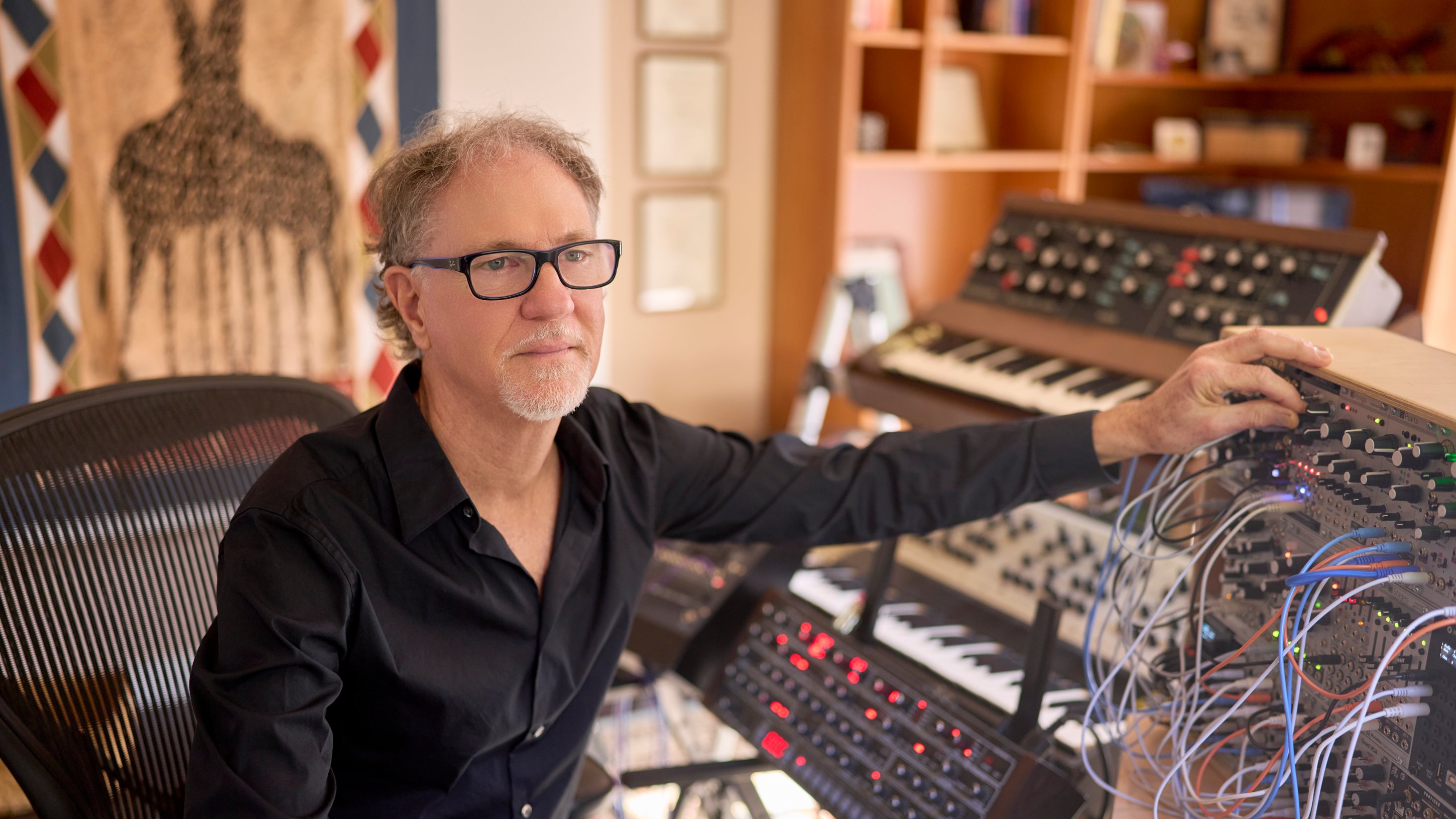
To learn more about Tim Kelly and his assorted projects, please visit his official website.
Watchmen, Chapter 1 & Chapter 2: Original Motion Picture Soundtrack is now available to own on Digital from Lakeshore Records. Click here to purchase! Watchmen, Chapter 1 and Watchmen, Chapter 2 are both available to own on digital and physical media from Warner Bros. Home Entertainment and for streaming on HBO Max.